
Why gamers suddenly care about market news
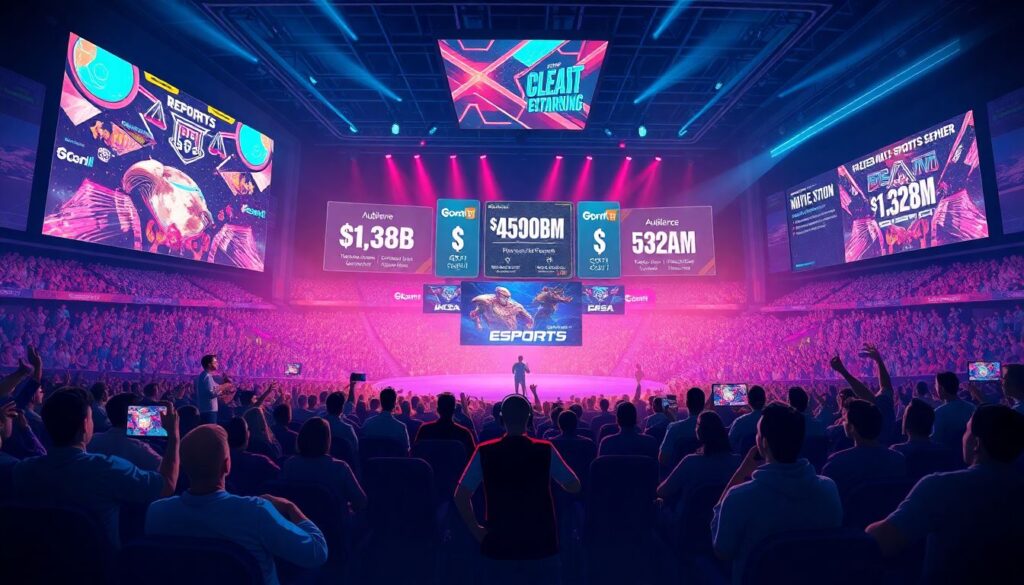
Esports stopped being just “kids clicking fast” the moment real money showed up. According to Newzoo, global esports revenues grew from roughly $1.08B in 2021 to about $1.38B in 2022, while the audience jumped from around 465M to 532M viewers. The broader games market cooled after the COVID boom, slipping about 5% from $192.7B in 2021 to $184.4B in 2022, then stabilizing near $187–190B in 2023, but advertising, media rights and sponsorships in competitive gaming stayed relatively resilient. That mix – slower casual spending, steady esports growth – is exactly why big publishers, platforms and media groups started using deals and mergers to lock in loyal audiences. By 2023 you could already see that every major acquisition was also a bet on who controls the next decade of gaming attention, and your portfolio gets dragged along for the ride.
Different ways to invest, from single stocks to bundles
If you’re wondering how to invest in esports companies, think in layers rather than chasing the first flashy ticker you see on Reddit. The most direct route is buying publishers and platforms that host major leagues or own blockbuster competitive titles – think companies behind shooters, MOBAs or sports sims that dominate Twitch charts. Then you’ve got hardware makers, tournament organizers, streaming platforms and betting firms whose revenues rise when viewership and engagement climb. On top of that sit the best gaming and esports ETFs, which bundle dozens of gaming‑exposed names so one bad launch doesn’t wreck your savings. Over 2021–2023, flows into thematic funds cooled versus the meme‑stock craze of 2020, but gaming and “digital entertainment” ETFs still attracted steady, smaller inflows as investors rotated from pure growth to more balanced exposure. In practice, your choice is between concentration and convenience, not “real” vs “fake” exposure.
How big mergers actually hit your portfolio
The loudest headlines in esports merger and acquisition news for investors over the last three years came from gaming giants, not tiny team brands. Microsoft’s $69B purchase of Activision Blizzard, finally closed in 2023, wasn’t just about Call of Duty campaigns; it was about Warzone, Overwatch League, and control of some of the world’s most watched esports IPs. Earlier, Saudi‑backed Savvy Games Group paid about $1.5B in 2022 to merge ESL and FACEIT, instantly creating a tournament powerhouse. According to industry deal trackers, total gaming and esports M&A value peaked above $100B in 2022 if you include announced mega‑deals, then dropped sharply in 2023 as rates rose and regulators pushed back. For investors, the pattern is simple: when a deal is announced, target stocks usually spike toward the offer price, while acquirers can dip on worries about debt and integration. Over the next one to three years, your returns depend less on the hype and more on whether synergies, cost cuts and cross‑promotion actually show up in earnings.
Tech driving esports: cool features vs real risks
Behind every “insane viewership record” there’s infrastructure: cloud gaming, low‑latency networks, anti‑cheat systems and AI‑driven analytics. From 2021 to 2023, cloud gaming revenue roughly doubled off a small base, helped by better GPUs in data centers and faster broadband, making high‑end esports titles playable on mid‑range devices. That’s great for adoption, but it also concentrates power in a few platforms, so any outage or policy change can smack multiple esports stocks to invest in at once. Anti‑cheat tech got smarter too, leaning on machine‑learning to flag impossible inputs, which keeps leagues watchable but adds R&D costs for smaller studios. Then there’s Web3 and NFTs: big publishers mostly pulled back after the 2021–2022 crypto hangover, yet some niche esports ecosystems still experiment with token rewards and skin ownership, adding volatility and regulatory risk. The upside of all this tech is higher engagement and monetization per player; the downside is heavier capital needs and more ways for regulators to say “no.”
Picking between single names and esports ETFs
When you start screening esports stocks to invest in, you quickly see two problems: results swing hard around game launches, and true “pure play” esports companies are still rare and often small‑cap. If you buy individual stocks, you’re betting that a studio can keep a competitive title fresh with patches, new seasons and fair monetization without burning out its community – not an easy balance. On the flip side, funds marketed as the best gaming and esports ETFs often hold a mix of console makers, chip giants, streaming platforms and a few niche esports names, so your exposure is broader digital entertainment rather than just pro leagues. Between 2021 and 2023, that diversification mattered: some big publishers underperformed after delays or controversies, while hardware and semiconductor names rode the AI and data‑center wave. A practical rule is simple: lean toward focused single stocks if you’re ready to track patches, viewership stats and balance‑sheet health; use ETFs if you’d rather ride the overall trend and accept that you won’t catch every moonshot.
What to watch heading into 2026
Talking about top publicly traded gaming companies 2026, we’re partly in prediction territory, because hard data for 2024–2026 isn’t fully in yet. Still, the trajectory from 2021–2023 gives useful clues. Mobile‑first regions like Southeast Asia, Latin America and parts of Africa kept adding esports viewers fast, thanks to cheaper data and better mid‑range phones, so expect more deals where global publishers buy local studios or tournament platforms to secure those audiences. Traditional sports owners and media groups quietly increased their stakes in teams and leagues, blurring the lines between football clubs and esports franchises, which could lead to more cross‑border mergers. Regulation is the wild card: loot box scrutiny in Europe and kids’ gaming rules in China already hit revenues and can redirect capital overnight. For investors, the most realistic plan for 2026 is to treat market news for gamers like earnings season for your hobby: track viewership trends, regional regulations and big tech’s appetite for content, then adjust position sizes instead of trying to time every headline.