
Esports contracts and salary terms should clearly define pay, duration, role, rights to your content and image, tournament revenue, and how you can exit the deal. Watch for vague clauses, long lock-ins, harsh penalties, and non-competes that block future teams. When in doubt, pause and get independent legal advice.
Essential Contract Red Flags Every Pro Should Know
- Contract term longer than your likely stay in the game, with no clear early-exit or buyout options.
- Unclear salary schedule, bonuses, or prize pool splits; no written breakdown for team vs. player share.
- Team claims broad rights over all content, streams, or social media without limits in time or scope.
- Non-compete or non-solicit clauses that block you from joining other teams or playing a title for a long period.
- Discipline clauses letting the team suspend or fine you “at their discretion” with no objective standards.
- Mandatory arbitration or foreign courts that make it hard or expensive for you to enforce your rights.
- Pressure to sign fast and refusal to allow a legal review of esports contracts for gamers by an independent attorney.
Understanding Contract Types: Salary, Freelance, and Revenue Share
Most esports deals fall into three groups: salary-based, freelance/contractor, and revenue-share hybrids. Knowing which one you are offered helps you judge risk, stability, and upside.
- Salary contracts (team employee)
Best for players who want stability and structure. You get a fixed monthly salary, often with benefits and more control from the team side.- Good fit: Long-term team play, structured leagues, younger players needing predictable income.
- Be careful when: The salary is low but non-compete and content rights are very aggressive, limiting side income.
- Freelance / contractor deals
You are engaged for specific events, content, or short seasons, usually with invoices instead of payroll.- Good fit: Streamers, part-time competitors, multi-title players who need flexibility.
- Be careful when: The team treats you like an employee (full control of schedule and exclusivity) but avoids employee protections and benefits.
- Revenue share / percentage-based agreements
Instead of (or on top of) salary, you get a cut of prize money, sponsorship, merch, or creator codes.- Good fit: Established pros and creators with leverage and proven viewership or results.
- Be careful when: Percentages sound high but there is no transparent formula, reporting, or right to audit earnings.
- Hybrid structures with options
Teams might mix a smaller base salary with bonuses, equity, or rev-share.- Good fit: Players confident they can grow brand and results in a rising org.
- Be careful when: Equity or bonuses are locked behind unrealistic performance or time conditions.
- When you should walk away
If the contract type demands full exclusivity and control from the org but gives you only short-term, low, or uncertain income, the risk is usually not worth it.
Compensation Breakdown: Base Pay, Bonuses, and Deferred Income

Before you sign, list exactly how you will be paid, when, and by whom. Think in categories and gather evidence or access for each.
- Base salary or appearance fees
- Confirm the exact monthly or per-event amount in writing.
- Check payment schedule (e.g., monthly, bi-weekly) and method (bank transfer, platform payout).
- Ask if amounts are gross or net of taxes, and who handles withholdings.
- Performance and tournament bonuses
- Specify what counts as triggering a bonus: placement, league qualification, MVP, viewership milestones.
- Get a clear table or examples for prize pool splits: team share vs. individual players.
- Ensure bonuses are not fully “discretionary” with no written formula.
- Content, sponsorship, and affiliate income
- List each revenue stream: stream subs, ad revenue, donations, brand deals, merch, creator codes.
- Agree on splits for org-sourced vs. self-sourced deals; write down different percentages if needed.
- Secure access to dashboards or periodic accounting to verify numbers.
- Deferred income and back pay
- Some contracts delay part of your pay (“deferred compensation”) until a season ends or a condition is met.
- Confirm deadlines and conditions: when exactly does deferred money become due?
- Check what happens if the team is relegated, loses a sponsor, or shuts down.
- Travel, housing, and bootcamp support
- Clarify whether travel, visas, accommodation, and per diems are fully covered or capped.
- Ask what happens if tournaments are cancelled or moved; who eats change fees?
- Ensure this support is in the contract, not just in Discord messages.
- Tools, data, and services for negotiations
- Keep recent offers and salaries you or teammates received as informal benchmarks.
- Collect public information about typical deals in your game and region to back your ask.
- When possible, consult esports player salary negotiation services or an esports contract lawyer for pro players to sanity-check your numbers.
Rights and Obligations: IP, Image Use, and Non-Competes
This is where many pros lose long-term control of their brand and future options. Use the following step-by-step process for a safe, structured review.
- Identify what you already own before signing
List your gamer tag, logo, emotes, overlays, and existing social channels as your current intellectual property (IP).- Check if any clause tries to make this pre-existing IP the property of the org.
- Ask for wording that keeps prior IP with you and limits the org to a license, not ownership.
- Limit ownership of work created during the contract
Many contracts say everything you create “in connection with” the org is theirs.- Narrow that phrase: define which content is “team content” vs. “personal content”.
- Request that you keep rights to non-sponsored personal streams and off-team projects.
- Add that the team has only a non-exclusive license to use certain content, not full ownership.
- Control how your name, image, and likeness are used
Look for “name and likeness” clauses that allow marketing and sponsorship usage.- Set boundaries: no use for products or brands you refuse (e.g., categories you are not comfortable endorsing).
- Limit use to the contract term plus a reasonable short period after (not forever).
- Make sure you can still do personal sponsorships that do not conflict with team deals.
- Review exclusivity clauses line by line
Exclusivity defines who you can play for and which brands you may promote.- Check if you are blocked from playing for other teams, content orgs, or national squads.
- Clarify if you may stream non-team events, ranked games, or creator events under your own brand.
- Ask to carve out existing sponsorships or partner obligations you already have.
- Evaluate non-compete and non-solicitation restrictions
These clauses can affect your career after the contract ends.- Limit non-competes to short durations and narrow scopes (for example, specific league or team, not the entire game or genre).
- Non-solicitation (no poaching staff/players) is usually safer than broad non-competes.
- Push back on language that stops you from streaming or competing at all post-contract.
- Clarify content monetization rights
Many esports contracts affect stream revenue, VODs, and social content.- Define who gets revenue from sponsored streams, overlays, or codes promoted on your channel.
- State whether the org can run ads on your content or require fixed streamer hours.
- Reserve the right to multi-stream or change platforms if it matters to your brand.
- Check privacy and data usage terms
Contracts sometimes allow data sharing with sponsors and partners.- See what personal data can be collected (email, address, in-game stats, stream metrics).
- Limit sharing to what is necessary for operations and sponsor reporting.
- Ensure there is some security and confidentiality obligation around your data.
- Add dispute resolution routes for IP and image issues
Disputes over branding and content are common in esports.- Ask for a notice-and-cure process before drastic actions, like content takedowns or suspensions.
- Clarify jurisdiction and language of any arbitration or court proceeding.
- Consider planning ahead to hire attorney for esports team contracts if a major disagreement arises.
- Get a professional review if anything feels one-sided
Never ignore a bad feeling about control over your name, content, or future options.- Reach out for a focused legal review of esports contracts for gamers rather than relying on verbal promises.
- Ask your representative to suggest edits or a short rider instead of rewriting the entire contract.
- If the team refuses any discussion at all, treat that as a serious warning sign.
Быстрый режим (Fast-Track Mode)
- Circle any clause mentioning “intellectual property”, “name and likeness”, “exclusivity”, or “non-compete”.
- Cross-check: do you keep your tag, logo, and personal channels, or does the team try to own them?
- Limit post-contract restrictions to short, specific periods and scopes.
- If you cannot clearly explain a clause aloud in simple words, pause and get a lawyer’s explanation before signing.
Termination, Buyouts, and Release Clauses Explained
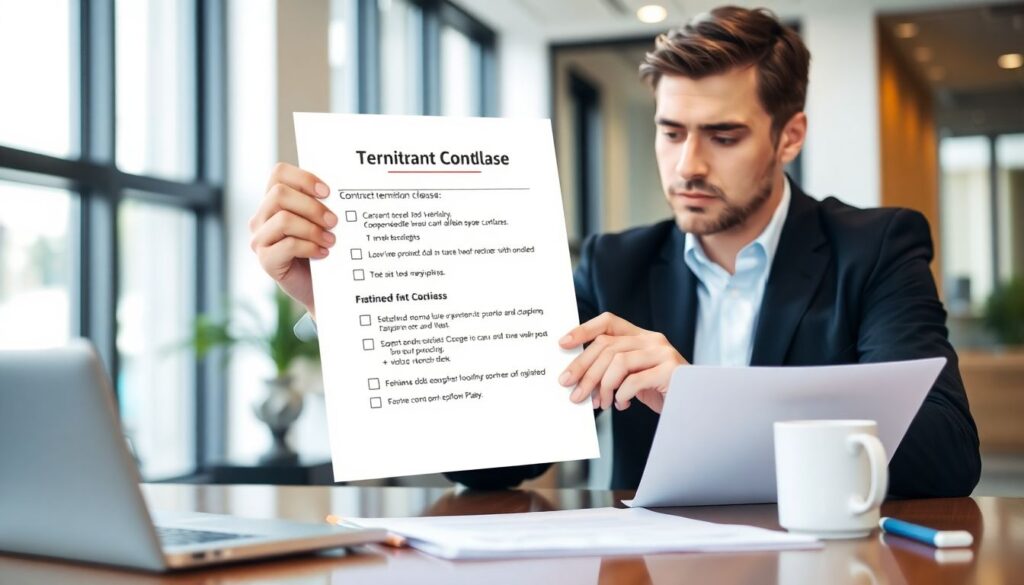
These clauses control how you leave the team-or how they drop you. Use this checklist to verify that your exit options are realistic and balanced.
- Both sides have clear termination rights, not only the team.
- There is a defined notice period (for example, 30 days) instead of instant termination for any minor issue.
- “For cause” termination is limited to serious, clearly defined behavior (cheating, criminal acts, repeated breach), not vague “bad performance”.
- “Without cause” termination requires some compensation or payout if the org ends the deal early.
- Buyout amounts are reasonable for your level, not set so high that you become impossible to sign.
- Any automatic renewals (“auto-renew”) give you written notice and a window to decline before they trigger.
- Injury or health-related clauses protect you with rehab time or partial pay, not instant removal.
- Prize money or revenue already earned is still owed to you even if the contract ends.
- There is a clear process for returning equipment and closing accounts, with deadlines for final payments.
- Dispute escalation steps exist before termination is final (written warning, chance to fix, then termination).
Negotiation Tactics: Metrics, Benchmarks, and Leverage
A structured approach to negotiation makes you look professional and avoids emotional or rushed decisions. Watch for these common mistakes and adjust your tactics.
- Negotiating only on monthly salary and ignoring prize splits, bonuses, and content revenue.
- Relying on vague feelings instead of actual metrics like win rate, recent placements, average viewers, and social growth.
- Revealing your bottom line too early, which shrinks your room to negotiate.
- Failing to compare offers or ask how your deal fits within professional esports contract templates and salary agreements used by the org.
- Accepting “standard contract” language without reading or challenging harsh clauses.
- Letting the team rush you with deadlines and “now or never” ultimatums.
- Skipping professional help, even a short consult with an esports contract lawyer for pro players before signing.
- Ignoring non-monetary items-role security, practice schedule, support staff, content freedom-that may matter more than a small pay bump.
- Talking numbers in group chats instead of in private, written channels where terms are clear.
- Not walking away when the deal is clearly exploitative because you are afraid no other chance will come.
Protecting Yourself: Legal Support, Record-Keeping, and Insurance

You do not need to become a lawyer, but you should build a small, reliable protection system around each contract you sign. Different levels of support make sense in different situations.
- Minimal-cost protection: organized records and written confirmations
Best when the contract value is modest but still important to you.- Save PDFs of every contract version and keep all related email or message history.
- Confirm key promises (salary, splits, duration, role) in writing, not just in calls.
- Back up records in more than one place so you can show them if a dispute arises.
- Targeted legal review for higher-stakes deals
Use this when you sign with major orgs, leagues, or long-term partnerships.- Pay for a short, focused legal review of esports contracts for gamers rather than full-time representation.
- Ask the lawyer to highlight non-negotiable risks and prepare 3-5 priority edits.
- Consider using esports player salary negotiation services when numbers are complex or multi-layered.
- Full representation and negotiation support
Appropriate when your brand is large, or the contract is multi-year and high value.- Hire attorney for esports team contracts to handle redlines, calls, and strategy with the org.
- Let them coordinate with your agent or manager so you present one clear position.
- Use their experience to compare your deal against professional esports contract templates and salary agreements they have seen.
- Insurance and risk planning
Consider extra protection as your income grows.- Look into health and disability coverage, especially if you move countries or play full-time.
- Ask about coverage for travel, equipment, and events if not clearly covered by the org.
- Review once a year whether your current safety net matches your income and commitments.
Common Player Concerns and Quick Clarifications
Do I really need a lawyer for my first esports contract?
If the deal affects your full-time income or locks you in for a season or more, a short consultation is wise. For very small, short-term deals, at least have a trusted adult or advisor read the contract with you.
Is a verbal promise from the team owner or manager legally binding?
Verbal promises are hard to prove and often overridden by the written contract. Insist that any important promise (salary, housing, travel, role, buyout) appears in the written agreement before you sign.
How long is too long for an esports contract?
It depends on your game, league rules, and leverage, but multi-year deals without fair exit options are risky. Prefer shorter terms with renewal options or clear buyouts rather than very long lock-ins.
What if the team delays payments or “forgets” bonuses?
First, check the contract for payment deadlines and notice procedures and raise the issue in writing. If delays continue or affect large amounts, talk to a lawyer or player association about next steps.
Can my team take a share of my stream revenue?
Only if the contract clearly says so and you agree. If the team wants a share, negotiate specific percentages, what revenue it applies to, and reporting so you can verify totals.
Are non-compete clauses always bad for players?
Short, narrow non-compete or non-solicitation clauses can be acceptable when they protect a team’s investment. Very broad or long non-competes that block your entire career path are usually not worth accepting.
What should I do if the team pressures me to sign quickly?
Slow the process down and ask for at least 24-48 hours to review. Pressure to sign “right now” without questions is a strong sign you should get independent advice, not rush.