
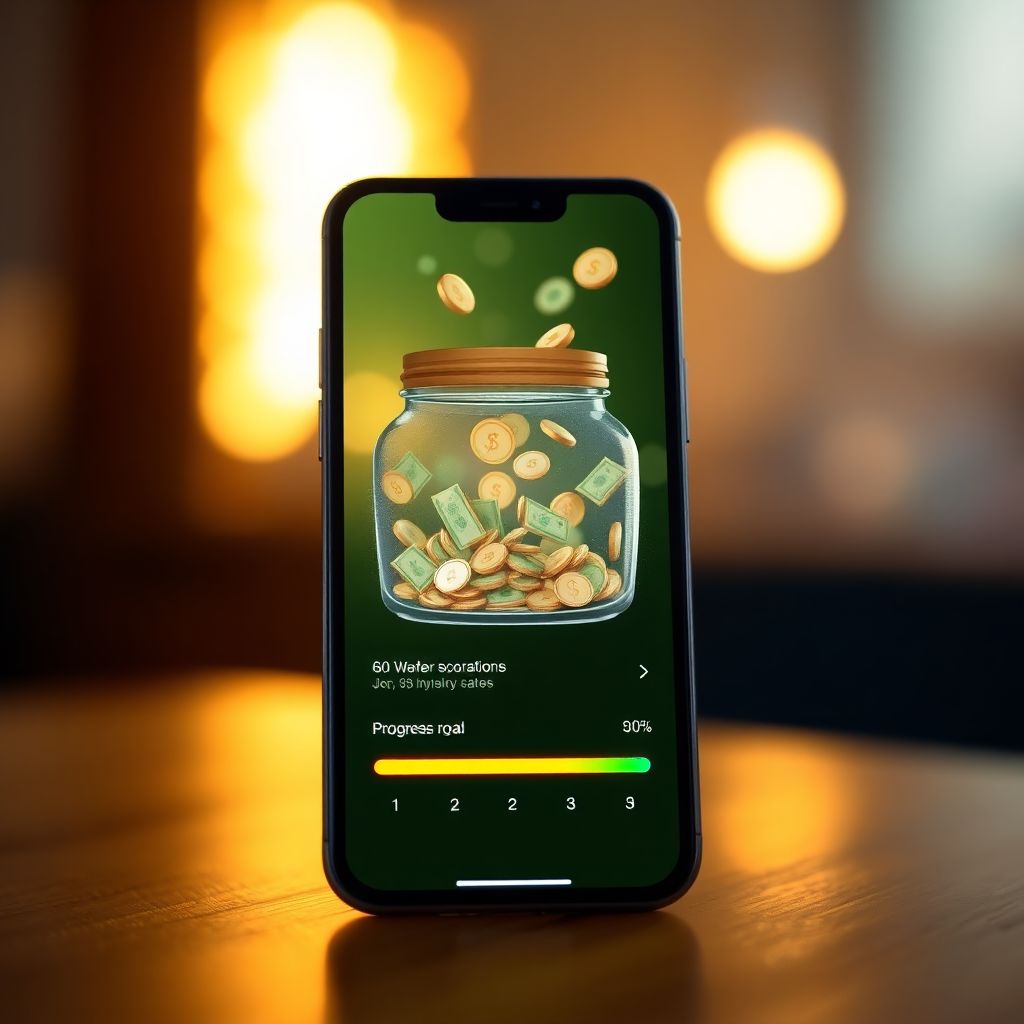
To redirect microtransactions into real savings, first expose where every small purchase goes, then automate how that same trickle of money feeds clear goals. Use apps and bank rules to capture small daily expenses, block impulse buys, and funnel the freed cash into savings, debt payoff, or simple starter investments.
Core Principles for Turning Small Purchases into Sustained Savings
- Every recurring “small” purchase must either serve a clear purpose today or advance a defined future goal.
- Tracking needs to be automatic enough that you cannot ignore the pattern of microspends.
- Rules and automations should move money without requiring daily willpower or complex decisions.
- Impulse spending friction (extra steps and delays) must be higher than the friction of saving.
- Redirected microtransactions should follow a simple priority order: safety buffer, high‑cost debt, then long‑term goals.
- Your system must be reviewable and adjustable in minutes, not hours, so it fits a personal finance plan to grow savings on a low income.
How Tiny Daily Purchases Erode Financial Targets

This approach suits people who feel “broke” despite steady income, gamers or app users tempted by frequent in‑app purchases, and anyone asking how to stop microtransactions and save money without tracking every cent manually. It is not ideal if your income is unstable and basic needs (food, housing, utilities) are not yet consistently covered.
Small daily expenses feel harmless because they rarely trigger alarm: $3 here, $5 there, a game skin, a drink, or a delivery fee. When they repeat, they quietly push back your goals: emergency fund, debt payoff, or investment contributions. You are not failing at goals; the system is leaking.
Fast example: Someone spending a few dollars several times a week on mobile game boosts sets a rule: for every purchase over a small threshold, an equal amount auto-moves to a savings account labelled “New PC Build”. Microtransactions now delay themselves and simultaneously fund what they really want.
Systematic Tracking: Cataloguing Microspends for Insight
To start turning small purchases into savings goals, you need basic tools that minimize manual work and highlight patterns in microspends.
- Choose one core tracking tool. Pick from the best budgeting apps to control small daily expenses, or use your bank’s built‑in spending analysis if it categorizes transactions automatically.
- Connect all relevant accounts. Link checking, primary credit card, and PayPal or other wallets used for microtransactions, so your tracker sees every purchase, including gaming or app stores.
- Tag typical microspend categories. Group coffee/snacks, in‑game purchases, streaming, rideshare, delivery fees, and app subscriptions under a “Microspends” or “Impulse” label.
- Set a 7-14 day observation period. Do not change anything yet; just let the app collect data on how to save money by cutting impulse purchases later with clear evidence.
- Review one simple report. After that period, look at a single view: total “Microspends” compared to how much you actually saved. This gap is your starting opportunity.
Fast example: A low‑income user connects their debit card and a mobile wallet to a free budgeting app. Within two weeks, the app shows a cluster of food delivery and game microtransactions. They now have a concrete target amount to redirect.
Automated Savings Funnels: Rounds-up, Rules, and Workflows
This section builds the engine that automatically moves money from microtransactions into savings or debt payoff without heavy daily effort.
- Pick your “destination” accounts. Create or identify:
- One high‑yield savings account for short‑term goals (buffer, small upgrades).
- One account or card for high‑interest debt you want to reduce.
- Optionally, a beginner‑friendly investment account for long‑term goals.
- Enable round‑up savings where possible. Turn on “round‑up” or “spare change” features in your bank or app so each card purchase automatically moves a small extra amount into your savings destination.
- Create rules tied to microspend categories. In your budgeting app or bank:
- Set a rule: when you spend in “Microspends”, transfer a small fixed amount to savings or debt.
- Example: for every entertainment purchase, move a small amount to “Emergency Fund”.
- Automate a weekly sweep. Schedule a weekly transfer of a modest, safe amount from checking into savings, based on the patterns you saw. For a personal finance plan to grow savings on a low income, keep this small enough that bills are never at risk.
- Add gentle spending caps. In your app, set a soft limit for “Microspends” with alerts. When you hit the cap, additional “impulse” money that week goes to savings instead of more purchases.
- Test for one full pay cycle. Let these rules run for a full month or pay period. Watch that your account does not overdraft, and adjust amounts if your balance feels too tight.
Быстрый режим: micro-to-macro in minutes
- Turn on any available round‑up feature on your main spending card.
- Create one savings account named after your main goal (e.g., “Emergency Fund” or “Debt Slam”).
- Set a weekly auto‑transfer for a small, safe amount after payday.
- Add one rule: every in‑app or gaming purchase triggers an extra tiny transfer to that goal account.
Fast example: A gamer links their card to an app that supports round‑ups and a “rules” engine. They set: for each microtransaction in games, the app moves a small amount to savings. After one month, they see a visible balance instead of just receipts.
Designing Low-friction Habits to Prevent Impulse Spending

Habits must make it slightly harder to buy on impulse and easier to let your automated system work.
- Move shopping, game, and food delivery apps off your home screen into a “Delay” folder.
- Turn off one‑tap buying where possible; require a password or extra confirmation before completing purchases.
- Remove stored payment methods from your most tempting apps; force yourself to enter card details manually.
- Use a 24‑hour rule for non‑essential purchases above a small amount; add them to a note instead of buying instantly.
- Keep one visual tracker (simple note or app widget) showing your main savings goal and current progress.
- Limit “boredom browsing” by matching it with a saving action: every time you scroll a store, move a tiny amount into savings instead.
- Schedule one “decide day” per week to approve or reject non‑urgent purchases on your list.
- Review your microspend category once a week for five minutes to keep it in your awareness.
Fast example: Someone who usually buys in‑game items at night moves the store app off the first screen and deletes the stored card. The extra steps give them time to reconsider while a rule quietly moves money into a “New Console” savings goal.
Allocating Aggregated Spare Change: Savings, Debt, and Investments
When your rules start collecting money, avoid these common allocation mistakes so your progress is stable and safe.
- Skipping an emergency fund and sending everything straight to investments, leaving you exposed to basic shocks.
- Ignoring high‑interest debt while building up low‑impact cash piles you rarely use.
- Spreading small amounts across too many goals, so none of them feels like real progress.
- Changing your goal every week, which breaks the link between “I skipped this purchase” and “I funded that goal”.
- Locking up all savings in accounts that are hard to access when you genuinely need the money.
- Taking high‑risk investments just because the amounts are small, without understanding that losses still slow your goals.
- Failing to align allocations with your current stage: safety first, then debt reduction, then long‑term growth.
- Not reviewing automatic allocations at least every few months as your income, debts, or goals change.
Fast example: A user first fills a small emergency buffer with their round‑ups. Once that is in place, they switch the destination so every automated transfer goes to their highest‑interest card before considering any investing.
Monitoring, Iterating, and Scaling Your Micro-to-Macro Plan
After your system runs for a month or two, you can tweak or replace parts of it depending on what feels easiest and safest.
- Alternate: cash‑only for problem categories. If apps do not help, use cash envelopes for food, entertainment, or gaming. When the envelope is empty, you stop until next period.
- Alternate: prepaid or virtual cards. Load a fixed amount on a prepaid or virtual card for microtransactions; when it is spent, no more charges go through.
- Alternate: accountability partner. Share your main goal and limits with a trusted friend; require that you tell them about any impulse purchase above a small amount before doing it.
- Alternate: goal‑first auto‑savings. Instead of rules tied to spending, set a fixed auto‑transfer to your goals immediately after payday, then live on the remainder.
Fast example: After trying multiple apps, a user feels overwhelmed. They simplify to one rule: a fixed transfer on payday plus using a prepaid card for all non‑essential buys, which naturally limits impulse spending and keeps tracking simple.
Quick Answers to Common Implementation Hurdles
How do I choose the right tools if I hate complex apps?
Start with whatever your bank already offers: basic transaction alerts, a round‑up setting, and a separate savings account. Add a simple budgeting app only if you feel you need clearer visuals later.
What if my income is low and irregular?
Focus first on stability: bills, food, and a small emergency cushion. Use very small, flexible automations, like tiny round‑ups and optional weekly transfers you can pause, to fit a personal finance plan to grow savings on a low income.
How can I stop emotional or stress‑driven impulse buys?

Insert a delay: remove saved cards, require passwords, and apply a 24‑hour rule. Pair this with a rule that every time you feel like buying to cope, you log the feeling and move a symbolic small amount into your goal account instead.
What if round‑ups and tiny transfers feel pointless?
Rename your savings account to your concrete goal so progress feels real. Review the balance once a week; the purpose is to build consistent behavior first, then you can increase the amounts.
How do I avoid overdrafts when using automation?
Schedule transfers a couple of days after income arrives and keep them modest at the start. Monitor your balance weekly; if it feels tight, reduce the automatic amounts instead of canceling them entirely.
Can I still enjoy small treats while following this plan?
Yes. Set a small “fun money” amount per week or month and enjoy it without guilt. The key is that any spending above that amount must trigger extra friction or extra saving.
How long before I see meaningful progress?
Most people notice a difference within a few pay cycles once microspends are visible and partially redirected. The exact speed depends on your income and habits, but the system should feel encouraging within the first couple of months.