

Turn volatile tournament winnings into long‑term wealth by first setting aside taxes, building a cash buffer, and paying off bad debt. Then diversify into simple, low‑cost investments, add safer income streams beyond prize money, protect yourself with contracts and insurance, and build a clear exit plan for life after esports.
Essential Financial Actions After a Big Win
- Separate prize money into tax, safety cash, debt payoff, and long-term investing buckets within days of receiving it.
- Use basic financial planning for esports players: track monthly burn rate, lock in 6-12 months of living costs, and avoid lifestyle jumps.
- Prioritize stable income sources such as salaries, brand deals, and content before making aggressive investments.
- Choose simple, diversified portfolios instead of hype trades; understand risk, liquidity, and time horizon for every instrument.
- Protect future earnings with written contracts, a basic legal entity, and health/disability insurance tailored to pro gamers.
- Build an exit plan that covers esports athletes retirement and tax planning, future careers, and passive income streams.
Quantify Your Earnings and Immediate Tax Liabilities
This approach suits pro gamers who are earning meaningful prize money, streaming revenue, or salary and want conservative, safe steps. It is not ideal if you are carrying high-interest debt and refuse to cut spending or if you plan to gamble everything back into speculative assets.
Before you think about how to invest esports tournament winnings, you need clear numbers:
- Gross winnings (from tournaments, appearance fees, bonuses).
- Other income (salary, Twitch/YouTube, sponsorships, coaching).
- Estimated taxes by country/state/region.
- Existing debts and monthly living costs.
Do this within a week of a big win:
- List all income sources for the year – not just the latest trophy. Include org salary, stream subs, donations, affiliate income, coaching, and merch.
- Estimate your total tax bill – assume that a significant part of profits will go to taxes. Create a separate “tax” savings account and move that portion there so you do not accidentally spend it.
- Convert volatile assets to stable cash – if you were paid in crypto or foreign currency, convert at least the tax portion and your next 12 months of expenses to stable cash in your main currency.
- Record everything in a simple spreadsheet – columns for date, source, gross amount, estimated tax, and net. Update after every major payout.
Establish a Short-Term Cash Reserve and Monthly Budget
To make wealth management for professional gamers safer, you need a small set of tools and accounts, nothing complex:
- A checking account for daily spending.
- A high-yield savings account or money market account for your emergency fund.
- A basic tracking tool (spreadsheet, app, or notebook).
- Access to your payment dashboards (PayPal, Stripe, Twitch, YouTube, org backend).
Use them to build a simple system:
- Calculate your monthly “burn rate” – rent, food, utilities, internet, transport, minimum loan payments, basic entertainment.
- Set a minimum cash buffer – target 6-12 months of burn rate in your emergency account. If your income is highly unstable, favor the higher end of that range.
- Separate accounts by purpose
- Account A: everyday spending.
- Account B: emergency fund (no cards attached).
- Account C: long-term investing only.
- Cap lifestyle inflation – after a big win, limit any permanent increase in fixed expenses (rent, car, subscriptions) to a small share of your net annual income.
- Automate transfers – right after each payout, auto-move fixed percentages into tax, emergency, and investing buckets so you do not rely on willpower.
Create Reliable Revenue Streams Beyond Prize Money
Building stable income is core to financial planning for esports players. Use this step-by-step path to reduce dependence on tournament results.
- Secure or renegotiate your base salary – team and org deals
- Check duration, buyout clause, performance bonuses, and content obligations.
- Negotiate guaranteed minimums (salary, content stipend) instead of relying only on prize splits.
- Ask for clear wording on who owns content created on stream vs. for the org.
- Stabilize your content revenue – Twitch, YouTube, TikTok, Kick
- Define a realistic schedule you can keep even during travel and scrims.
- Focus on 1-2 main platforms instead of chasing every new site.
- Prioritize recurring monetization (subs, memberships) over one-off donations.
- Add brand partnerships wisely – sponsors, affiliate deals
- Prefer fewer, longer contracts over many small one-offs.
- Avoid deals that require spammy promotion or conflict with your existing org/sponsors.
- Have all agreements in writing, with clear deliverables and payment terms.
- Develop leveraged side offerings – coaching, guides, merch
- Group coaching or educational products usually scale better than 1:1 sessions only.
- Digital products (VOD reviews, aim routines, e-books) keep working while you sleep.
- Keep designs and products on brand; prioritize quality over variety.
- Automate income flow and tracking – keep chaos under control
- Route all business income into one “creator/business” account before paying yourself a fixed monthly salary.
- Track income by category: tournaments, salary, content platforms, sponsors, products.
- Review numbers monthly to adjust time spent on each activity.
Your org contract is usually your first predictable income stream.
Content turns your short competitive peak into a longer, monetizable brand.
Partnerships can be powerful if they do not cannibalize your main content.
Use your expertise once, get paid many times.
As streams multiply, money can get messy fast.
Fast-Track Playbook for Busy Pros
- Lock in a team/org salary that covers basic living costs for at least the next season.
- Commit to a consistent streaming schedule on one core platform and one secondary platform.
- Sign 1-3 long-term brand deals aligned with your image instead of many one-offs.
- Launch one simple digital product or coaching package and refine it over time.
Portfolio Construction: From Safe Havens to Growth Bets
For best investment strategies for pro gamers, use plain, diversified instruments you actually understand. The table below summarizes common options.
| Instrument | Risk | Expected Return (Qualitative) | Liquidity | Typical Time Horizon |
|---|---|---|---|---|
| High-yield savings / money market | Low | Low | High (fast access) | Short term (0-2 years) |
| Certificates of deposit / term deposits | Low | Low to moderate | Medium (penalties if early) | Short to medium (1-5 years) |
| Broad stock index funds/ETFs | Medium | Moderate to higher over long term | High (market hours) | Long term (5+ years) |
| Bond index funds | Low to medium | Low to moderate | High | Medium term (2-7 years) |
| Individual stocks | Medium to high | Highly variable | High | Medium to long term |
| Cryptoassets | High to very high | Highly uncertain | High (on major exchanges) | Speculative / only with money you can lose |
| Real estate (rental property, REITs) | Medium | Moderate to higher over long term | Low to medium (slow to sell physical property) | Long term (7+ years) |
Use this checklist to review your portfolio construction:
- You can explain every holding in one or two simple sentences, including how it could lose money.
- Your emergency fund and short-term goals are fully covered with low-risk, highly liquid assets.
- Long-term investments (5+ years) are mainly in broad, diversified funds instead of concentrated bets.
- Speculative plays (individual stocks, small-cap coins, NFTs, etc.) are limited to a small portion of your total net worth.
- Your portfolio is not all in the same sector, company, or asset class related to gaming.
- Your investment accounts are separate from your day-to-day spending accounts.
- You invest on a regular schedule (for example, monthly) instead of only when you feel hyped.
- You avoid leverage and complex derivatives unless you are a full-time, trained professional in markets.
- You revisit and rebalance at least once a year or after very large income changes.
Legal and Risk Protections: Entities, Contracts, Insurance
Legal and risk protections are a core part of wealth management for professional gamers. Common mistakes to avoid:
- Mixing personal and business money in one bank account, which makes taxes and legal protection harder.
- Signing org or sponsor contracts without independent legal review, especially clauses about content ownership and non-compete restrictions.
- Relying only on team insurance or assuming you do not need health and disability coverage because you are young.
- Ignoring jurisdiction and tax residency rules when traveling often, which can create unexpected tax bills.
- Streaming without clear DMCA, music, and sponsorship guidelines, risking bans or demonetization.
- Sharing logins, accounts, or payment details with managers or friends without strict controls and written agreements.
- Skipping basic estate planning (beneficiaries on accounts, a simple will) even after your net worth grows.
- Not using a legal entity (such as a company) when your business income becomes large, missing potential protection and structure.
- Letting others register trademarks or domains related to your gamer tag and brand instead of owning them yourself.
Planning the Exit: Long-Term Career, Passive Income, Legacy
Esports careers have short peaks, which is why esports athletes retirement and tax planning should start early. Different exit paths can make sense depending on your skills and interests:
- Creator-first path – You shift from competition to full-time content, coaching, or education. Best if you enjoy teaching, entertaining, and building a community more than intense grinding and scrims.
- Industry insider path – You move into roles at orgs, publishers, tournament organizers, or agencies (coach, analyst, talent, community manager, product). Works well if you like structure, collaboration, and behind-the-scenes impact.
- Entrepreneur path – You launch or invest in businesses aligned with your brand (merch, tools, training platforms, talent agencies). Suits players who like risk and management but should be approached carefully and with professional advice.
- Hybrid professional path – You transition into a different industry (tech, marketing, finance, education) while using your esports background as a differentiator. Ideal if you want stability, benefits, and a longer, traditional career path.
Whichever you choose, integrate it with your investing and savings plan so that tournament winnings today support your future lifestyle, even after you stop playing at the top level.
Practical Concerns Pro Players Commonly Face
How much of my tournament winnings should I invest vs. keep in cash?
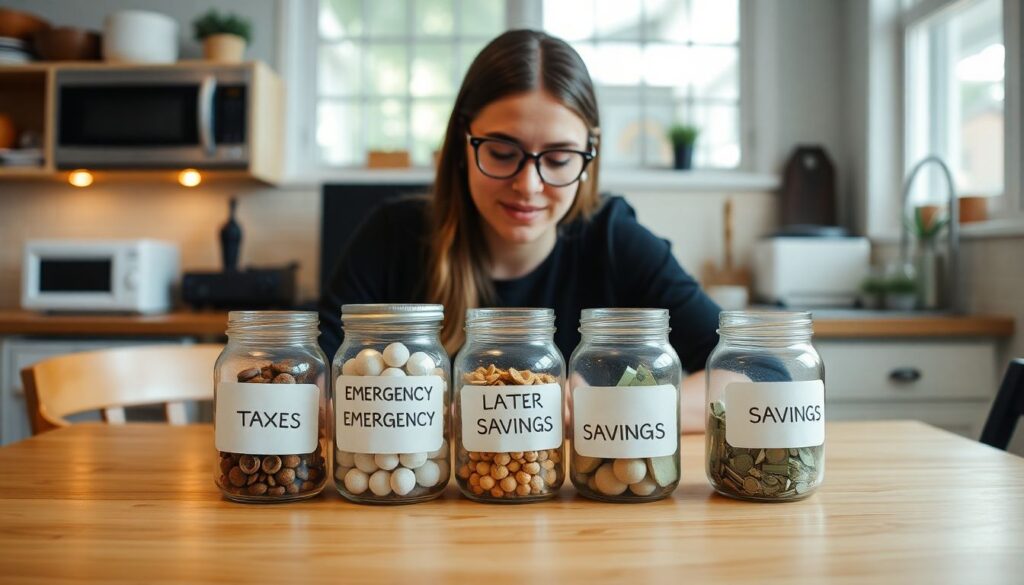
A simple safe starting point is to first separate estimated taxes, then build a 6-12 month emergency fund, and only then invest the remaining surplus for the long term. The more unstable your income, the more conservative you should be with how much stays in cash.
Should I pay off debt before investing any money?
High-interest consumer debt is usually a priority to pay down quickly, often before aggressive investing. You can still invest small amounts to build the habit, but eliminating expensive debt is effectively a very safe “return” on your money.
Do I need a financial advisor as a pro gamer?
You may not need one early on if your finances are simple and you stick to basic diversified investments. As your income, contracts, and business activities grow, a fee-only advisor with experience in financial planning for esports players or creators can be valuable.
Is crypto a good main investment for pro gamers?

Crypto is highly volatile and better treated as a small, speculative part of a diversified portfolio, not the core. Do not invest money in crypto that you need for taxes, living expenses, or your emergency fund.
How often should I change or rebalance my investments?
For most pro gamers, checking investments monthly and rebalancing once or twice a year is enough. Reacting to every market move often leads to emotional decisions and extra costs without better long-term results.
What happens to my money if my esports career suddenly ends?
If you have an emergency fund, diversified investments, and multiple income streams beyond prize money, you gain time and flexibility to retrain or pivot. Without these, you may be forced into rushed decisions, which is why building buffers early is crucial.
How can I start with small amounts if I am not winning big yet?
Open a low-fee brokerage or investment account and automate modest monthly contributions into diversified funds. The habits you build with small amounts will scale when you eventually have larger winnings to manage.