

To manage impulse spending on games and microtransactions, set a strict monthly gaming budget, remove saved payment details, add friction before each purchase, and track every in‑game buy. Use tools, spending limits, and accountability partners. If control keeps failing, reduce game exposure or seek professional financial and mental health support.
Quick Control Checklist for Impulse Spending

- Decide a fixed monthly cap specifically for games and microtransactions.
- Delete saved cards/PayPal from gaming platforms and mobile stores.
- Turn on store or bank‑side spending limits and purchase authentication.
- Install one app to track all gaming and microtransaction expenses.
- Write down your top three “tilt triggers” that lead to impulse buys.
- Schedule a weekly 10‑minute review of game spending and emotions.
- Share your plan with a trusted friend for accountability.
Why Impulse Spending Happens in Games
Impulse spending in games is built into design: limited‑time offers, fear of missing out, loot boxes, and “one more try” loops all push for quick buys. Knowing how to control microtransaction spending in games starts with understanding that the system is optimized to keep you emotionally activated and slightly off‑balance.
This guide is for players who:
- Regularly overspend on skins, loot boxes, or boosts and regret it later.
- Feel “tilted” after losing and buy items to feel better or “fix” bad luck.
- Want concrete, safe, and repeatable steps instead of vague advice.
It is not a replacement for professional help when:
- You skip bills, debt payments, or essentials to keep buying in‑game items.
- You hide spending from family/partners or lie about it.
- Gaming and spending cause serious conflicts, anxiety, or depressive symptoms.
In these cases, consider financial coaching to overcome gaming addiction and overspending, and talk to a licensed mental health professional.
Recognizing Your Personal Tilt Triggers
Before changing behavior, identify what pushes you into automatic buying. You will need:
- A way to view recent transactions (bank app, PayPal, platform purchase history).
- A notes app or simple document to log patterns.
- Basic awareness of your mood and physical state during and after sessions.
Scan the last month of spending and note, for each in‑game purchase:
- When you bought (time of day, weekday/weekend).
- What happened before (losing streak, argument, boredom, alcohol, etc.).
- How you felt (angry, anxious, “I deserve this”, FOMO, numb).
Typical tilt triggers include:
- Chasing losses after a bad run, trying to “buy back” progress.
- Seeing friends or streamers with rare skins or passes.
- End of season / limited‑time bundles that “expire soon”.
- Late‑night, tired gaming when self‑control is low.
Use this simple micro‑template for your notes:
- Trigger: Lost 5 games in a row.
- Feeling: Frustrated, wanted a “fresh start”.
- Purchase: Battle pass upgrade.
- After: Brief relief, then regret about money.
Practical Budgeting Techniques for Microtransactions
This section gives a concrete, safe, step‑by‑step plan for how to stop spending money on mobile games and PC/console titles without fully quitting gaming.
-
Define a hard monthly gaming spend cap
Pick a realistic total you can afford for all games combined after rent, food, debt, and savings. This is not a “goal”; it is a strict ceiling.- Example: “This month’s total for games and microtransactions is $40. Zero exceptions.”
-
Separate a dedicated “gaming wallet”
Move your monthly gaming cap into a separate place that is annoying to refill: a prepaid card, a separate bank sub‑account, or a digital wallet.- Once this wallet is empty, no more in‑game buys until next month.
-
Remove frictionless payments from stores
Delete saved cards from Steam, PlayStation, Xbox, Nintendo, mobile app stores, and game launchers.- Require a password or biometric confirmation for every purchase.
- Turn off one‑click or “fast purchase” options where possible.
-
Install a simple expense tracker focused on gaming
Choose one of the best apps to track gaming and microtransaction expenses or a generic budget app and create a dedicated category: “Game purchases”.- Log every in‑game purchase immediately; if you are ashamed to log it, that is a red flag.
-
Set per‑game and per‑session limits
Break your monthly cap into smaller chunks to avoid big spikes.- Example: “Max $10 per game per month; max $5 per single session.”
-
Use budgeting tools for gamers to limit in-game purchases
Some banks and fintech apps let you categorize game platforms and set soft or hard caps. Configure alerts when you approach your limit.- Block further transactions for that category once the limit is reached.
-
Add a 24‑hour delay rule for non‑essential buys
If it is not a battle pass you planned for, it goes into the “Delay 24h” bucket.- Write the item name and price in your notes; revisit the next day with a clear head.
-
Do a weekly 10‑minute review
Once a week, check how much of your gaming wallet you used and how you felt about each purchase.- Mark each buy as “Good value”, “Neutral”, or “Regret”. Aim to reduce “Regret” over time.
Fast-Track Mode: 5-Minute Setup
If you want a minimal version you can implement today, use this short algorithm:
- Set a single number: “I will spend up to $X on games this month, not more.”
- Move that amount to a separate wallet or prepaid card and delete saved cards from all stores.
- Turn on purchase authentication and spending alerts for game platforms.
- Log every purchase this week in one note titled “Game spending log”.
- After seven days, look at the log and reduce next week’s cap by a small, realistic amount.
In-game Strategies to Reduce Temptation
Use this in‑game checklist to verify you have reduced exposure to spending triggers:
- Store pop‑ups and offer banners are minimized, skipped quickly, or disabled in settings where possible.
- Loot boxes and randomized packs are turned off, ignored, or replaced with non‑gambling alternatives.
- Cosmetics and skins are bought only from a pre‑written, short wish list, not from browsing.
- You avoid shopping when tilted, tired, or emotional; you only consider buys at the start of a calm session.
- Limited‑time offers are not an automatic buy; you apply the 24‑hour delay rule to all of them.
- Battle passes and subscriptions are canceled if you consistently fail to complete them or if they push you to play out of obligation.
- You mute or hide aggressive “top spender” messages and pack‑opening animations where the game allows it.
- You have at least one default “No buy” script in your head, e.g., “If I still want this next month and it fits the budget, I’ll consider it.”
- You finish each session by quickly checking that no unplanned purchases happened while you were tilted.
Behavioral Tools to Rewire Spending Habits
Common mistakes when trying to change habits, and how to avoid them:
- Relying only on willpower – You keep all payment options active and hope to “be stronger”. Instead, redesign your environment: remove cards, add delays, and reduce triggers.
- Setting unrealistic zero‑spend goals – “I will never pay for a game again” often backfires into binge spending. Use gradual reductions and realistic caps instead.
- Ignoring emotional drivers – Focusing only on numbers but not on tilt, boredom, or loneliness keeps the loop alive. Log feelings around each purchase.
- Not replacing the reward – You cut spending but keep the same stress and boredom. Add alternative rewards: short breaks, music, talking to a friend, or non‑paid in‑game goals.
- Hiding the problem – Secrecy increases shame and compulsive behavior. Share your budget and rules with at least one trusted person.
- Staying in highly predatory titles – Some games are designed around microtransaction pressure. Sometimes the safest move is to switch to titles with fair monetization.
- Skipping reflection after slips – When you overspend, you either ignore it or punish yourself. Instead, do a quick post‑mortem: “What triggered this? What can I change tomorrow?”
- Not seeking help early enough – If bills, debt, or relationships are impacted, you wait too long to ask for help. Include financial coaching and mental health support as normal tools, not last resorts.
Measuring Progress and Refining Your Control Plan
Use these alternatives and pick what fits your current situation best:
-
Self‑managed budget with light tracking
Best if your overspending is mild and you respond well to written rules. You rely on your own limits, a gaming wallet, and a simple log. -
Tech‑assisted control with hard blocks
Use apps, parental controls, or bank tools that can fully block payments to stores after reaching a limit. Ideal if you often break your own rules under tilt. -
Accountability partner or small group
Share your monthly cap and spending log with a trusted friend or community. Good when social pressure helps more than app notifications. -
Professional coaching and therapy support
When you repeatedly fail to control spending, feel addicted, or finances/relationships are damaged, combine budgeting tools with financial coaching to overcome gaming addiction and overspending and, if possible, therapy focused on impulse control and underlying emotions.
Common Practical Concerns and Solutions
What if I already have a lot of debt from game spending?
Pause all non‑essential in‑game purchases and create a clear list of debts with interest rates. Prioritize paying high‑interest debt, and consider a non‑profit credit counselor or financial coach to build a realistic repayment plan.
How do I explain my new limits to friends or teammates?
Keep it simple and factual: say you are putting your finances first and sticking to a fixed monthly budget. Offer free alternatives, like grinding together or playing modes that do not need extra purchases.
What if my willpower collapses when I am tired or tilted?
Assume this will happen and design for it: remove stored payment methods, set hard limits at the bank or wallet level, and add a 24‑hour delay rule so that a bad mood cannot instantly become a purchase.
Are all microtransactions bad, or can some be okay?
Planned, affordable microtransactions inside a clear budget can be fine entertainment spending. The problem starts when you buy impulsively, hide costs, or sacrifice essentials, savings, or debt payments to keep spending.
How can parents help teens who overspend in games?
Use platform and bank controls to cap or block spending, keep payment details away from unsupervised accounts, and talk openly about advertising and FOMO. Agree on a shared budget and review purchases together weekly.
What if tracking every purchase feels obsessive or stressful?
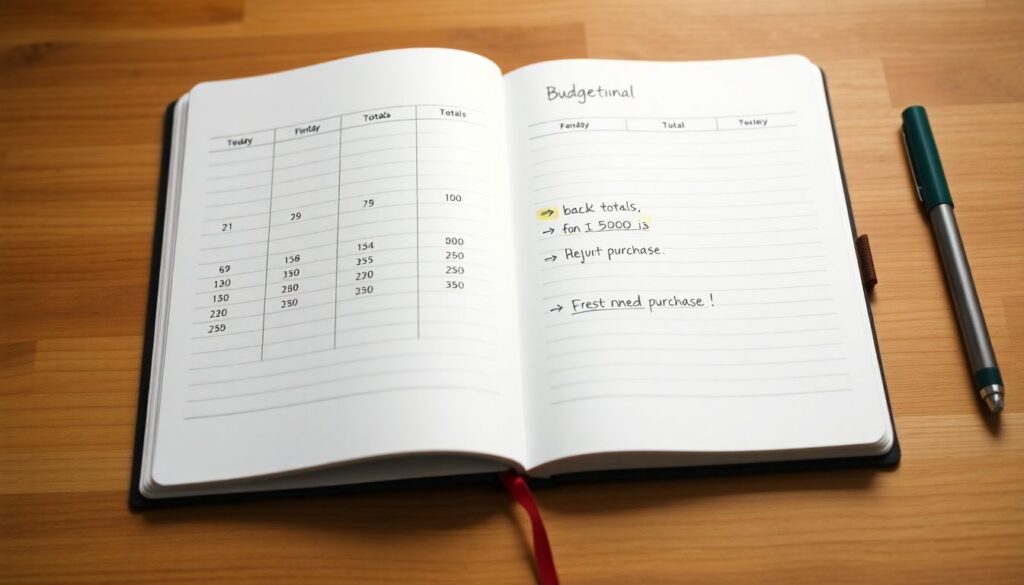
Use a lighter system: track only totals per week and a short note about any purchase you regret. The goal is awareness and better decisions, not perfect accounting.
How long does it take to feel in control again?
Most people notice improvement within a few weeks of consistent budgeting, tracking, and changing triggers. Full stability can take longer, especially if emotional or addiction‑like patterns are involved, so treat it as an ongoing process, not a quick fix.