

Introduction: Navigating the Complex World of Investment Warrants and Options
In the evolving landscape of financial markets, investment warrants and options have gained increasing attention among retail investors and professionals alike. As of 2025, with technology-driven platforms and AI-enhanced trading tools becoming mainstream, understanding these instruments is no longer optional—it’s essential. This practical guide will walk you through the core differences, mechanics, and strategies to help you navigate the world of derivative securities effectively.
—
Step 1: Understand the Basics – What Are Investment Warrants and Options?
To begin, let’s define the two instruments:
– Options are contracts that give the holder the right, but not the obligation, to buy or sell an underlying asset at a predetermined price before a specified date.
– Investment warrants, often issued by companies, give the right to purchase shares at a set price within a defined time frame. Unlike options, they are typically issued by the underlying company itself and can lead to share dilution.
When comparing investment warrants vs options, remember: options are traded on exchanges and involve third-party contracts, while warrants are directly connected to corporate financing.
Key Differences to Remember:
– Warrants have longer expiration periods.
– Options are standardized; warrants are not.
– Warrants can dilute existing share value; options do not.
—
Step 2: How to Trade Investment Warrants
While options trading is common, trading warrants requires attention to detail as they are often less liquid and less transparent. Here’s how to start:
1. Find Listed Warrants: Use a reliable brokerage platform with access to warrant markets.
2. Research the Issuer: Understand the financial health and future prospects of the company offering the warrant.
3. Know the Terms: Pay close attention to the exercise price, expiration date, and conversion ratio.
Common Mistakes to Avoid:
– Ignoring liquidity. Many warrants trade infrequently, making them harder to exit.
– Misjudging time decay. Long-dated does not mean perpetual—warrants also lose value as expiration nears.
– Overlooking dilution effects on share valuation.
—
Step 3: Choose the Right Platform – Best Brokers for Options Trading
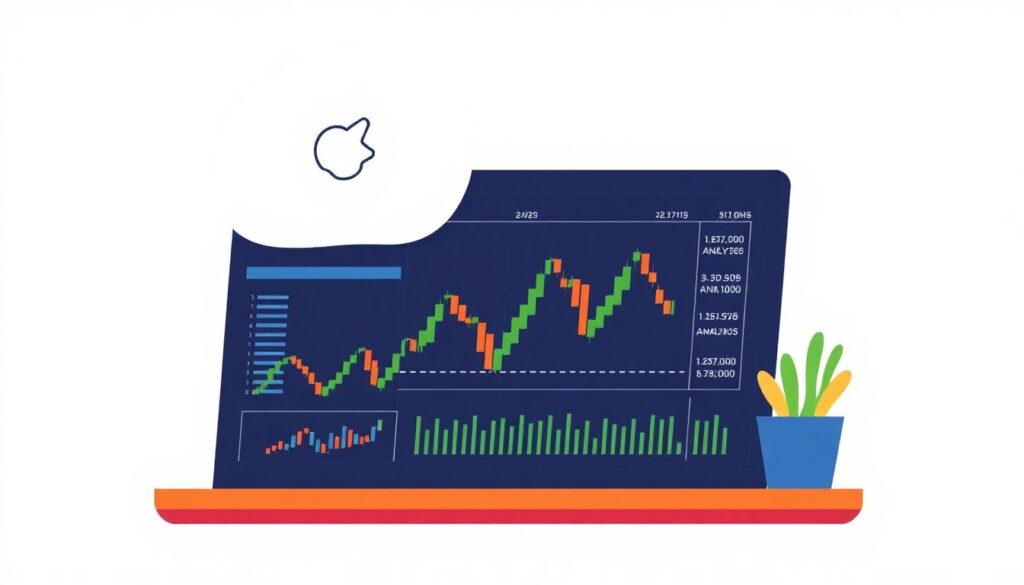
If you’re looking to dive into options trading, choosing the right broker is critical. The best brokers for options trading in 2025 offer more than just low fees—they provide:
– Advanced charting and analytics
– Real-time options chains
– AI-driven trade recommendations
– Educational resources for all levels
Top-rated platforms also support simulated trading environments, which are ideal for beginners to practice without financial risk.
—
Step 4: Master the Mechanics – Options Trading Strategies
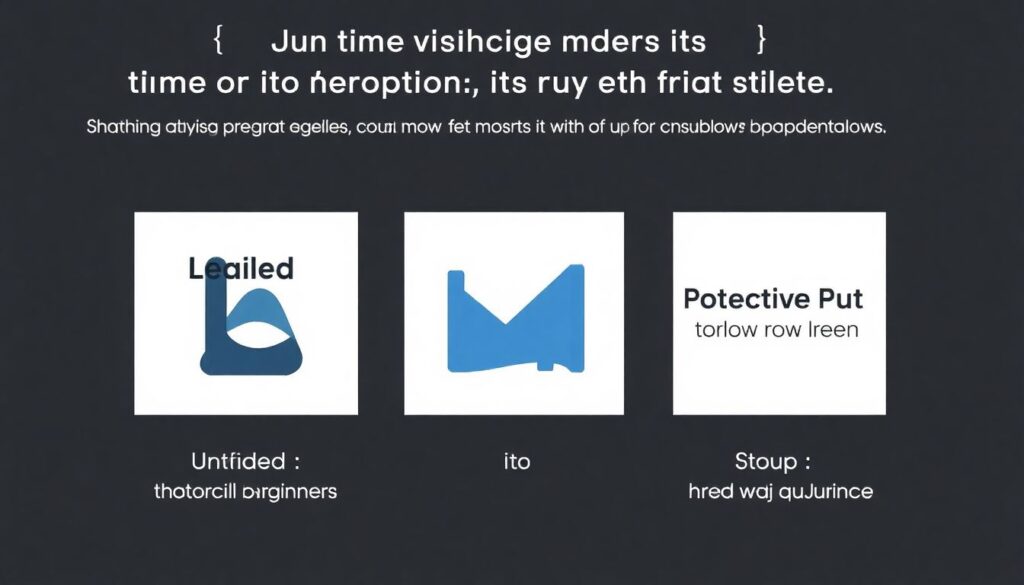
Developing a strong foundation in options trading strategies is key to long-term success. Here are three approaches suitable for different experience levels:
– Covered Call: Ideal for beginners. Sell a call option against a stock you own to generate income.
– Protective Put: Offers downside insurance on a stock holding—great for risk-averse traders.
– Iron Condor: Suitable for advanced traders. Profits from low volatility, involving four options positions.
Advanced strategies can enhance profits, but only when used with a clear understanding of risk and reward. Never enter a multi-leg strategy without simulating outcomes first.
—
Step 5: Analyze the Risks and Rewards
Both instruments can magnify gains—and losses. Here’s what to consider:
– Leverage: Small price movements in the underlying asset can result in large percentage changes in the value of options or warrants.
– Volatility Sensitivity: Options are heavily impacted by implied volatility, while warrants are more correlated with the issuing company’s performance.
– Time Decay: The value of options and warrants erodes as expiration nears. This is called theta decay and should be factored into every strategy.
Advice for Newcomers:
– Start small. Use a limited portion of your portfolio.
– Use stop-loss orders to manage downside risk.
– Avoid trading on emotion—have a disciplined plan.
—
Step 6: Future Outlook – What Lies Ahead for Derivative Instruments in 2025 and Beyond?
The growing integration of artificial intelligence, blockchain-based smart contracts, and real-time data analytics is reshaping how investors interact with derivative instruments.
Expect to see:
– Tokenized warrants that can be traded 24/7 across decentralized platforms.
– Dynamic options contracts adapting to market conditions through embedded algorithms.
– Wider accessibility, with mobile-friendly platforms introducing intuitive tools for real-time strategy implementation.
Moreover, educational initiatives and regulatory clarity are making these instruments more approachable for everyday investors. As a result, both investment warrants and options are likely to become key components in diversified portfolios.
—
Final Thoughts: Knowledge Is Your Strongest Asset
Understanding the full scope of investment warrants explained and mastering various options trading strategies allows you to use these tools not just for speculation, but for hedging and income generation. Whether you’re intrigued by how to trade investment warrants or exploring the best brokers for options trading, your success depends on education, discipline, and continuous learning.
The financial markets in 2025 are dynamic and inclusive. With the right mindset and preparation, you can use derivatives to your advantage—transforming complexity into opportunity.