
Why your gaming schedule needs its own money system
If you game or stream on a serious schedule, your days already run on cooldowns, queues and events. Money, however, usually ignores that rhythm: subs drop at random, sponsors pay late, and big sales on games hit right when rent is due. That’s why financial planning for professional gamers has to be built around time, not just numbers. Think of it as turning your cash flow into a well‑tuned build: you script when money spawns, where it goes, and how much you can safely burn on fun without wiping your future plans.
Necessary tools: turning your devices into a finance HUD
Start with a basic “HUD” so your money info is always a tap away. Many of the best budgeting apps for gamers let you tag costs as skins, subs, tournaments or hardware, then compare them against income from streaming, coaching or prize pools. Add a bank app with instant notifications, a note app for quick ideas and a calendar to track bills like they’re weekly raids. The goal is not fancy graphs, but a clear heads‑up display that shows whether today’s impulse purchase will break next month’s survival.
Choosing software that actually fits gamers and streamers
General tools work, but personal finance software for streamers and gamers adds quality‑of‑life perks. It can auto‑import payouts from platforms, separate personal and business spending and track tax‑relevant items like gear and internet. When you test apps, check three things: how fast they update, how clean the interface looks at 2 a.m., and whether they sync across your PC and phone. If the app feels heavier than a badly optimized game, you won’t open it on tilt days—so prioritize simplicity over exotic features.
Setting up your core categories and “gaming envelope”
Instead of classic budget buckets like “entertainment”, carve out a visible “Gaming” or “Content” category. Inside it, split costs into recurring subscriptions, one‑off game purchases, hardware upgrades and event travel. This is your gaming envelope: everything fun must fit inside. The rest of your budget covers survival, savings and debt. That visual wall keeps a Steam sale from quietly eating your rent. Over a few weeks, you’ll see patterns—maybe loot boxes drain more cash than you thought, while actual new releases are a smaller slice.
Step‑by‑step: building a system around your playtime
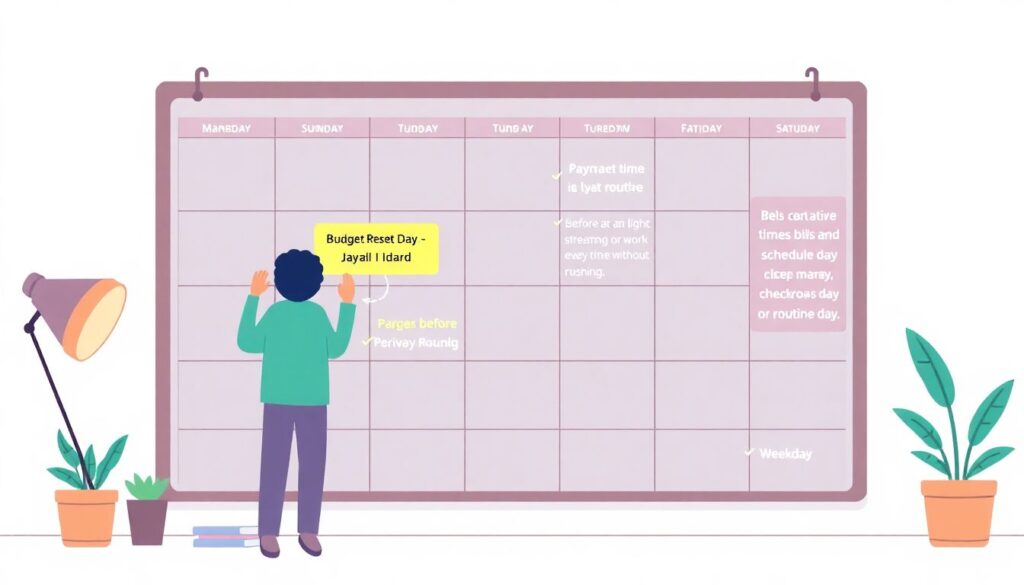
Start by mapping your weekly rhythm: when you stream, when you work or study, and when you usually rest. Then anchor money moments to that map. Payday or payout day becomes “budget reset day”, ideally before a light session so you’re not rushing. Bill checks ride on a stable weekday, never after a long ranked grind. Each session gets a tiny pre‑flight: glance at your main account balance and your gaming envelope. This turns checking money from a stressful event into a short routine, like updating drivers.
Daily and weekly money habits even no‑lifers can keep
If you’re wondering how to manage money while gaming full time, the trick is micro‑habits. You don’t need hour‑long spreadsheet marathons. Use 3–10 minute blocks tied to actions you already do:
– Before going live: check today’s planned spending and incoming payouts
– Between queues: log any recent purchases or cash tips
– After stream: snapshot your balance and note unusual donations
Weekly, add a 20‑minute “money review” on your easiest day. Look at spending by category, adjust next week’s allowance and confirm you’re not behind on core bills.
Balancing upgrades, games and actual savings
A sustainable system needs hard rules for fun money. Build a simple set of tips to balance gaming expenses and savings so you don’t rely on willpower at 3 a.m. A clean version looks like this:
– Fixed percentage of income to long‑term savings before anything else
– Fixed cap for monthly games, skins and cosmetics
– Separate pool for hardware, growing until you can buy in cash
When income spikes, let every bucket grow proportionally. That way your lifestyle scales, but you still move toward goals like an emergency fund or a move to a better streaming setup.
Income streams: smoothing the RNG of gamer money
Gamer income is famously streaky. One month you pop off with gifted subs and a tournament win, next month it’s quiet. Your system should treat high‑variance income like crit damage: nice when it hits, but never guaranteed. Build your baseline budget only on stable sources—part‑time job, regular sponsorships, predictable ad revenue. Everything above that baseline feeds buffers: an emergency fund, a tax stash and a “down months” reserve. Over time, this cushion lets you say no to exploitative deals and avoid panic grinding just to pay bills.
Troubleshooting: when your money system starts lagging
If you keep overspending, the issue is usually visibility or friction. Maybe your budget lives in a dusty spreadsheet you never open, or your categories don’t match how you actually think about purchases. First, simplify: fewer buckets, clearer names and a single main dashboard app. Second, reduce taps—automate imports from bank and platforms. If you feel guilt every time you open the finance app, rename your goals to something vivid, like “New GPU fund” instead of “Long‑term savings”. Emotional connection is a surprisingly strong performance buff.
Common problems and quick fixes for gamer finances
Three issues pop up constantly. One: erratic income makes you delay saving “until things stabilize”. Fix it by saving a percentage, not a fixed amount, from every payout, no matter how small. Two: FOMO from limited‑time offers. Defuse it with a 24‑hour rule for big buys and a weekly impulse cap. Three: mixing business and personal costs. Even if you’re small, separate accounts or virtual cards prevent tax chaos and let you see whether gaming is actually profitable or just a well‑themed hobby.
The future of money systems for gamers (2025–2030)
In 2025 the tools are already improving fast, but we’re early. Expect the next wave of best budgeting apps for gamers to plug directly into platforms like Twitch, YouTube and game launchers, tagging expenses and income automatically. AI assistants will forecast dry months, suggest safer spending caps and warn when a sale conflicts with upcoming bills. For financial planning for professional gamers, we’ll likely see quasi‑agents that negotiate brand deals, compare sponsor offers and simulate long‑term outcomes, nudging you toward choices that keep both your channel and your net worth alive.