
Why “security hygiene” matters more than market timing
When people talk about crypto, they usually obsess over charts, yields and new tokens. The boring part — security hygiene — often gets pushed aside, right up until someone loses everything to a phishing link or a leaked seed phrase. In practice, consistent security habits protect your stack far better than trying to predict the next pump.
Security hygiene in crypto means a set of repeatable, low‑friction behaviors that reduce your attack surface: how you store keys, how you interact with dApps, how you manage devices and backups. Think of it as brushing your teeth, but for private keys and wallets: small actions, done regularly, that prevent catastrophic “cavities” later.
Before going into crypto security best practices in detail, let’s define a few baseline terms so we speak the same language.
– Private key – a long, secret number that mathematically proves you own specific blockchain addresses. Losing it or exposing it usually means losing the funds.
– Seed phrase (mnemonic) – a human‑readable list of 12–24 words from which private keys are derived. It’s essentially the “master backup” of your wallet.
– Hot wallet – a wallet whose keys are on an internet‑connected device (browser extension, mobile app, desktop client).
– Cold wallet – a wallet whose keys are kept offline (hardware wallet or paper wallet) except at the moment of signing transactions.
– Hardware wallet – a dedicated physical device that generates and stores keys in a secure element and signs transactions in isolation.
Once these are clear, it becomes much easier to design realistic routines for how to protect cryptocurrency from hacking in day‑to‑day life, not just in theory.
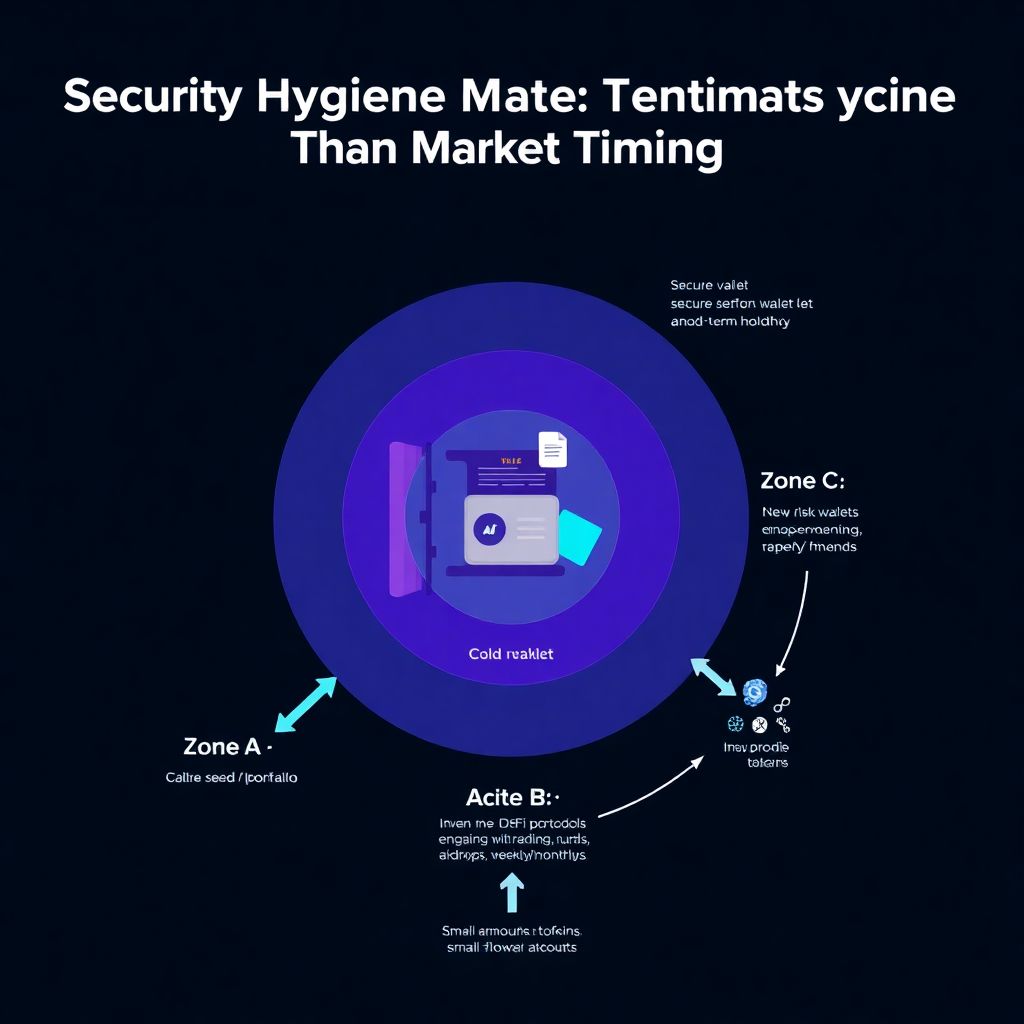
Mental model: “zones” of trust and exposure
Instead of thinking “this wallet is safe / unsafe”, it’s more useful to think in terms of zones — similar to network security segmentation:
– Zone A — Cold vault: Long‑term holdings you almost never move.
– Zone B — Active investments: Positions you move weekly or monthly.
– Zone C — High‑risk playground: New DeFi protocols, NFTs, airdrops, experimental chains.
You can picture it as concentric circles:
“`
[ Zone A: Cold Vault ]
|
[ Zone B: Active Portfolio ]
|
[ Zone C: High-Risk / Experimental ]
“`
Traffic (funds) should mostly flow from inside to outside in small, controlled amounts, not the other way around. Your secure crypto wallet for long term storage lives in Zone A, separated from noisy, risky everyday operations.
This model helps you:
– Choose the right wallet type for each zone.
– Limit the blast radius if something in Zone C gets compromised.
– Apply different levels of friction (2FA, confirmations, delays) depending on the zone.
Building your stack: wallet types and where they fit
Cold layer: hardware wallet as a foundation
For Zone A and often Zone B, a hardware wallet is the most practical baseline. There’s no single best hardware wallet for crypto security for everyone, but good devices share some properties:
– Genuine device with verifiable firmware signatures.
– Secure element or equivalent hardware isolation.
– Open or at least auditable code for critical components.
– Clear UX that makes it hard to confirm a malicious transaction by mistake.
In practice:
– Use a hardware wallet for your core holdings.
– Connect it via an interface (e.g., Ledger Live, Trezor Suite, or trusted third‑party software like Sparrow or Rabby) only on devices you control.
– Always verify critical transaction details on the hardware screen itself (address, amount, chain).
If your hardware wallet is the “safe”, your laptop or phone is just the “window” to view and instruct that safe — the keys should never leave the device.
Hot layer: convenience with constraints
Hot wallets are unavoidable for DeFi, trading and dApps. The trick is to constrain their power:
– Use separate hot wallets for:
– Trading on CEX/DEX.
– NFT minting and collecting.
– Airdrops or testing new protocols.
– Keep only what you can afford to lose in each hot wallet.
– Funnel profits back into your cold wallet regularly.
This division is a very practical example of crypto security best practices: you assume each hot wallet can eventually be compromised and design your flows so that compromise is annoying, not devastating.
Seed phrases, backups and physical risk
Treat the seed phrase as the single point of failure
No matter how fancy the wallet, if someone gets your 12–24 words, it’s game over. From a threat‑modelling perspective, protecting that phrase is more important than any other step.
Common mistakes:
– Storing the seed in a note app or photo gallery.
– Copy‑pasting it into a password manager without understanding sync risks.
– Typing it into random “recovery tools” or fake wallet apps.
Safer operational pattern:
– Generate the seed phrase offline on the hardware wallet itself, not on a PC.
– Write it down clearly on paper at first, without digital photos.
– Optionally transfer to a metal backup (steel plate, capsule) for fire/flood resistance.
Physical backup layout
You can think of your backup layout as a simple diagram:
“`
[ Seed A – Metal Backup ]
|
[ Seed A – Paper Backup ] — stored in different location
“`
Practical tips:
– Two geographically separated backups reduce both theft and disaster risk.
– Avoid clever but fragile “sharding” schemes (e.g., splitting words randomly) unless you fully understand the recovery math and human factors.
– Don’t over‑optimize: a simple duplicate in another secure location is already far better than a single sheet in your desk drawer.
Device security: the boring layer that actually matters
Most hacks happen not because elliptic curves were broken, but because endpoints (your browser or phone) were compromised.
Key behaviors that give you an immediate security upgrade:
– OS hygiene
– Keep your OS updated.
– Don’t use rooted/jailbroken phones for serious wallets.
– Uninstall random browser extensions and unknown software.
– Account hygiene
– Unique, strong passwords for email, password manager, exchange logins.
– 2FA using TOTP (e.g., Authy, Aegis) or a hardware security key, not SMS, wherever possible.
– Email account recovery paths locked down (backup emails, phone numbers).
– Network hygiene
– Avoid managing large sums over public Wi‑Fi.
– If you must, use a legit VPN and hardware wallet only; never type seed phrases.
From a practical standpoint, how to protect cryptocurrency from hacking often boils down to “don’t let malware run as you” and “don’t let attackers reset your accounts through email and SMS”.
Phishing, approvals and social engineering
Recognizing phishing patterns
Most successful crypto thefts involve someone being tricked into signing something or entering their seed. The technical attack is often simple; the social angle is sophisticated.
Red flags to watch for:
– DMs “from support” on Telegram, Discord, X, offering to fix issues.
– Websites that look identical to real ones but have slightly altered domain names.
– Airdrop claim sites that ask you to “re‑enter your seed to verify ownership”.
Golden rule: No legitimate service, wallet, or exchange will ever ask for your full seed phrase. Not once. Not under any circumstances.
Contract approvals as a hidden risk
On EVM chains (Ethereum, Polygon, etc.), giving a dApp “unlimited spend” approvals for your tokens is common but dangerous.
You can visualize token flows like this:
“`
[ Your Wallet ] –(approval: unlimited)–> [ DApp Contract ]
|
(potential drain)
“`
Practical mitigation:
– Regularly review and revoke token approvals using tools like Revoke.cash or your wallet’s built‑in interface.
– For new protocols, limit approvals to the exact amount you plan to use, not unlimited.
– Use a dedicated “dirty” wallet for experimental contracts where you don’t store real size positions.
This simple discipline has saved many investors from contract‑level rugpulls and exploits.
Choosing and using services: CEX, custodians and security vendors
Centralized exchanges and custodial risk
Leaving assets on a centralized exchange (CEX) introduces custodial risk: they hold your keys, and you hold an IOU. While exchanges invest heavily in defense and cryptocurrency security services for investors, history shows they are still attractive targets and can freeze withdrawals or go insolvent.
Practical splitting strategy:
– Keep only:
– Active trading capital.
– Funds in the process of on‑/off‑ramping.
– Withdraw profits to your own wallets on a schedule (e.g., weekly, monthly).
– Treat stablecoins on CEXs as counterparty risk, not cash in your pocket.
Security services and institutional options
If your portfolio becomes sizable, consider layering external services on top of your personal hygiene:
– On‑chain monitoring tools that alert you on large outgoing transactions.
– Multisig setups (e.g., Gnosis Safe) for group‑held funds.
– Enterprise‑grade custody providers if you operate as a fund, DAO or business.
For a regular individual investor, fully managed custody can be overkill; but following their public crypto security best practices (multisig, role separation, logging, test transactions) and simplifying them for personal use already yields a big security uplift.
Practical setup examples for different profiles
Example 1: Long‑term investor with a job and no time
Goal: set and forget, check once a month.
Practical stack:
– One hardware wallet as the primary store.
– One mobile wallet for small spends and DeFi experimentation.
– Exchange account only for fiat on‑/off‑ramp.
Routine:
– Buy on CEX → withdraw to hardware wallet the same week.
– Once a quarter, verify backups and update firmware.
– Keep DeFi farming and risky plays below a fixed percentage (e.g., 5–10%) of total holdings, using the mobile wallet only.
Example 2: Active DeFi user
Goal: use dApps daily without risking the core bag.
Practical stack:
– Hardware wallet for vault (Zone A).
– Browser‑based hot wallet for main DeFi activity (Zone B).
– Separate burner wallet for experimental dApps (Zone C).
Routine:
– Move profits from Zone B back to hardware wallet periodically.
– Clear approvals on Zone B wallet monthly.
– Use Zone C wallet for any protocol that’s new, unaudited, or heavily hyped; never bridge large sums directly into Zone C.
Password managers, 2FA and identity layer
Using a password manager correctly
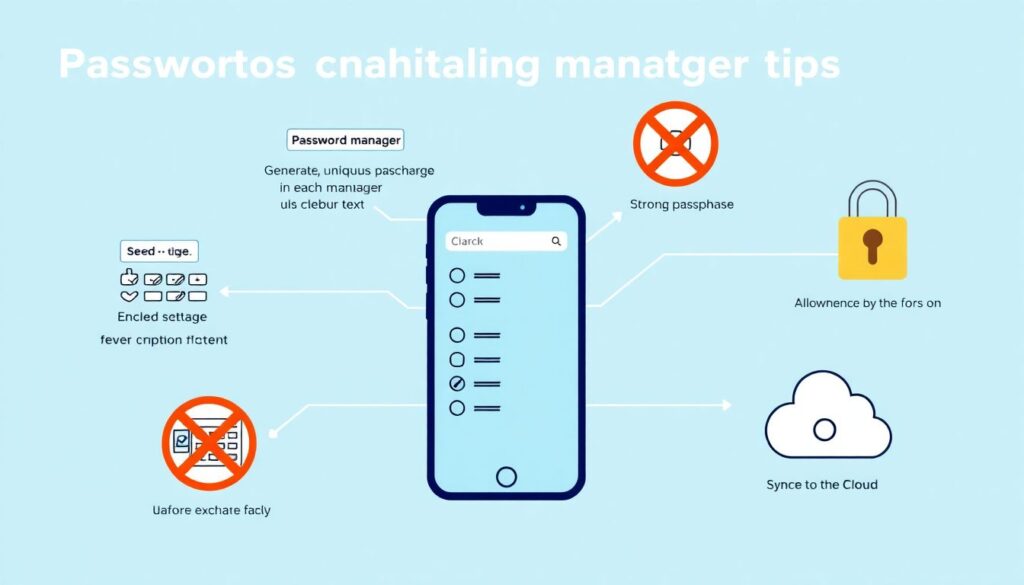
Password managers are not magic, but they make good habits easy:
– Generate unique, long passwords for each service.
– Store exchange logins, but never your seed phrase in clear text.
– If you store a seed at all, encrypt it with a strong passphrase and understand that syncing to the cloud introduces another dependency.
For many, writing the seed on metal and keeping the password manager for everything except the seed is a good trade‑off: you limit the number of critical secrets you must memorize.
2FA nuances
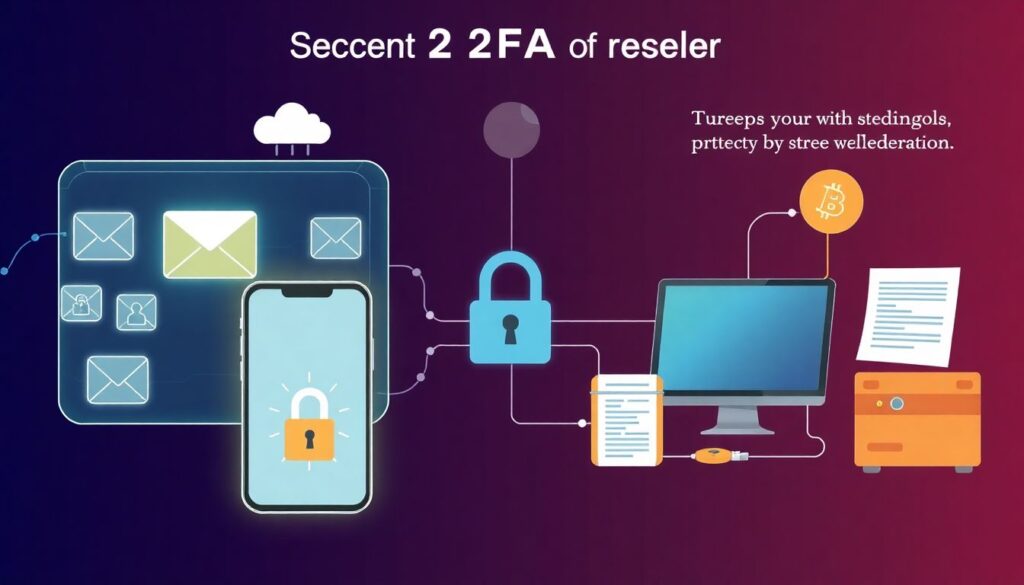
Strong 2FA reduces account‑takeover risk for email, exchanges and cloud storage:
– Prefer app‑based TOTP or hardware keys over SMS.
– Store your 2FA backup codes offline.
– Don’t reuse the same device as both authenticator and wallet if you can avoid it (e.g., use phone for 2FA, hardware wallet for signing).
If your email with weak 2FA is compromised, attackers can often reset exchange passwords, giving them indirect access to your assets even if your wallets are safe.
Maintaining hygiene over time: checklists and habits
Security is not a one‑off configuration; it’s a set of recurring habits. The simpler they are, the more likely you’ll actually follow them.
Quick pre‑transaction checklist
Before you sign any on‑chain transaction of non‑trivial size:
– Confirm:
– Correct network (e.g., Ethereum vs BSC).
– Amount and token symbol.
– Receiver address (compare first 6 and last 6 characters).
– On hardware wallets, always confirm details on the device screen itself.
– If something feels off (site slow, UX changed, weird pop‑ups), pause and verify the URL from a known bookmark.
Periodic review routine
Once a month (or at least once per quarter):
– Review:
– Hot wallet balances — move unneeded funds back to cold storage.
– Token and NFT approvals — revoke anything unused.
– Device health — pending OS updates, suspicious extensions or apps.
– Test access to your backups without fully exposing them:
– Verify you know where both copies of your seed are.
– Confirm you remember any passphrases or PINs associated with the seed.
This doesn’t need to be elaborate; a 20‑minute review session on a calendar reminder can keep your hygiene from silently decaying.
Putting it all together
Protecting your crypto investments with proper security hygiene isn’t about paranoid isolation or memorizing every attack vector. It’s about:
– Segmentation – separate long‑term holdings, active capital and experimental funds into different wallets and threat zones.
– Robust keys and backups – hardware wallet plus well‑thought‑out seed phrase backups.
– Clean endpoints – reasonably secure devices, updated software, and cautious browsing.
– Skepticism towards interactions – double‑checking approvals, domains and any request for sensitive data.
If you stick to these principles, choose a reliable secure crypto wallet for long term storage, and treat new protocols as guilty until proven innocent, you’re already ahead of most retail users. You can still explore DeFi, NFTs and on‑chain innovation — just within a structure that assumes things *will* break sometimes and makes sure your core stack survives when they do.