
Why This Money Roundup Matters in 2025
Crypto, gaming, and esports used to be “weird internet hobbies.”
Now they move billions of dollars — and your wallet can feel every bump.
In this guide, we’ll walk through what’s going on in 2025, how we got here, and how not to get wrecked by hype. You’ll get a step‑by‑step way to read any flashy headline and decide:
> “Is this an opportunity, or a trap?”
—
Step 1. Get the Big Picture: From Nerd Hobby to Big Money
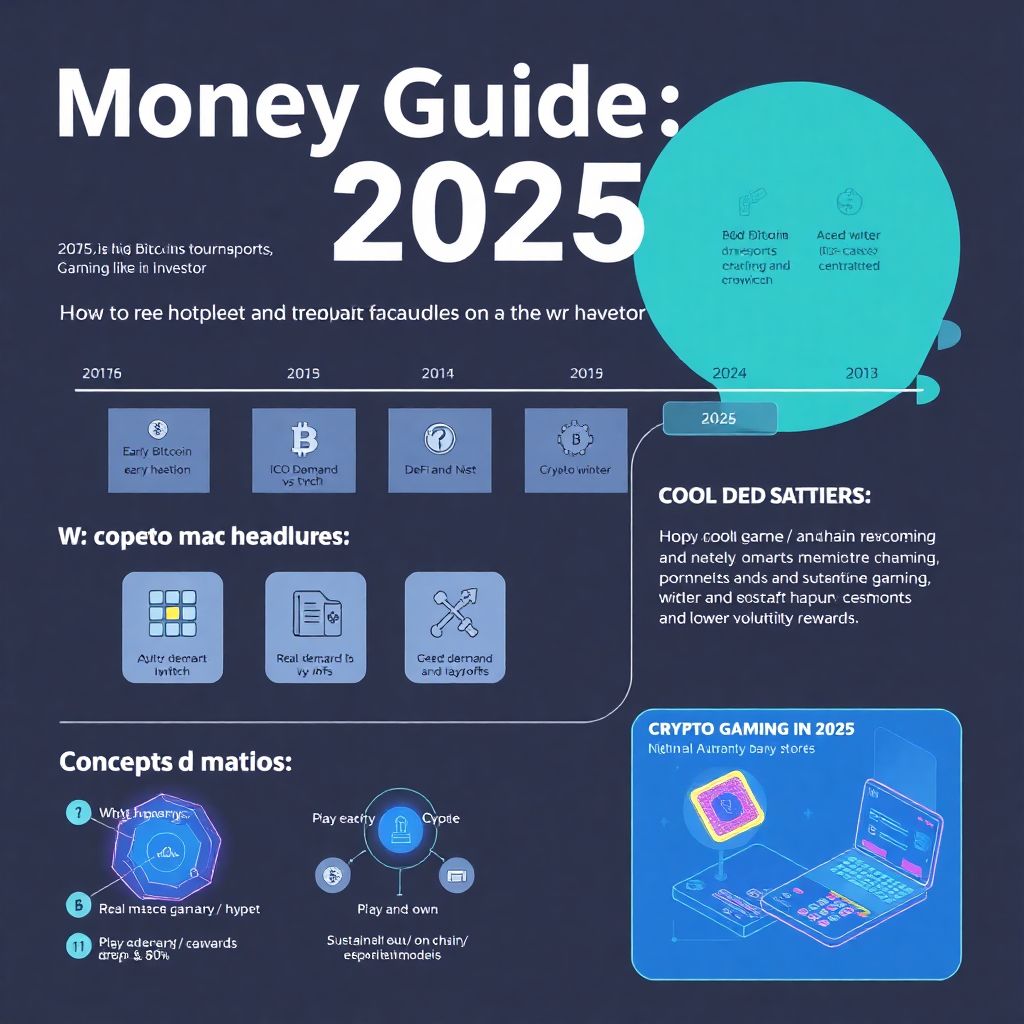
How We Got Here: A 10‑Second History Lesson
– 2010s – Bitcoin and early altcoins go from obscure forums to real exchanges. Esports prize pools explode, Twitch takes off, and skins in games like CS:GO become tradeable assets.
– 2017–2018 – ICO mania, the first big crypto crash, and the first big wave of “crypto in games” experiments. Most fail, but the idea sticks.
– 2020–2021 – DeFi and NFTs blow up. Play‑to‑earn titles like Axie Infinity spark a gold rush. Esports org valuations rise while profitability struggles in the background.
– 2022–2023 – Harsh reality check. Crypto winter, NFT backlash, esports org layoffs, sponsors pull back. Regulation tightens.
– 2024–2025 – The hype cools, but the infrastructure remains. Blockchains are faster and cheaper. Game devs get smarter about not turning everything into a speculative token. Esports pushes towards sustainable models (media rights, better revenue sharing, more regional focus).
So when you scroll through crypto gaming news today, remember: you’re not looking at a brand‑new phenomenon. You’re seeing the second or third wave of an idea that’s already been tested, broken, and rebuilt.
—
Step 2. Read Crypto & Gaming Headlines Like an Investor, Not a Fan
The 4 Questions to Ask Yourself Every Time
When you see a story about a new token, game, or partnership, walk through this mini‑checklist:
1. Who is actually making money here?
Is it players, developers, exchanges, or early insiders dumping tokens?
2. Where is the real demand?
Are people playing because the game is fun, or because they’re chasing yield?
3. What happens if the token price drops 80%?
Does the game still make sense, or does everything fall apart?
4. What is the exit?
Can you realistically withdraw, sell, or cash out — or are you locked in?
If a headline can’t survive those four questions, treat it as entertainment, not an opportunity.
—
Step 3. Crypto Gaming: Opportunities Without Drinking the Kool‑Aid
What “Play‑to‑Earn” Looks Like in 2025
Early play‑to‑earn tried to turn every click into a paycheck. That burned out quickly.
The 2025 version looks more like:
– Play‑and‑earn / Play‑and‑own – Games where you actually like the gameplay, and blockchain is just infrastructure for items, skins, or marketplaces.
– Hybrid economies – Part of the in‑game economy is on‑chain, part remains centralized to keep things balanced.
– Lower volatility rewards – Less “get rich tomorrow,” more steady, small incentives or ownership perks.
When you hear about the *best play to earn crypto games*, don’t assume “best” means “fastest money.” It should mean: strongest user retention, solid long‑term roadmap, and reasonable tokenomics rather than pure speculation.
Red Flags in Crypto Gaming Projects
Watch out for:
– No real gameplay footage – Just cinematic trailers and buzzwords.
– Reward math that makes no sense – If the game “guarantees” high daily returns, ask: who’s paying for this?
– Token first, game later – If they launched a token before they have a playable product, you are the product.
—
Step 4. Turning Gaming Knowledge Into Real Income (Safely)
Here’s a practical, no‑fantasy approach if you want your gaming time to bring in some money.
1. Skill‑Based Earning Instead of Grinding Tokens
Look for:
– Tournaments with transparent payouts – From in‑game events to third‑party platforms.
– Coaching, content, and services – If you’re good or entertaining, you can earn more from streaming, guides, or coaching than from tiny in‑game rewards.
– Marketplace flipping – Buying underpriced skins/items and reselling, but only in ecosystems with real demand (not tiny ghost‑town marketplaces).
2. Manage Risk Like a Grown‑Up
Newcomer tips:
1. Set a hard budget – Decide how much you’re willing to lose on any game or token. Write it down.
2. Separate “fun money” from “investment money” – Don’t mix the cash you need for rent with the money you’re experimenting with.
3. Always test withdrawals – Before you go all‑in, move a small amount out to see fees, delays, and potential restrictions.
4. Avoid leverage unless you fully understand it – If you’re still asking what margin is, you’re not ready for it.
—
Step 5. Esports Money: From Betting to Stock Investing
How to Approach Esports Betting Without Destroying Your Bankroll

If you’re curious about how to make money with esports betting, treat it like any other high‑risk speculation:
– Start with games you deeply understand – Dota 2, League of Legends, CS, Valorant — whichever you actually watch and analyze.
– Track your bets in a spreadsheet – Date, match, odds, stake, result, reasoning. If you’re not doing this, you’re not “investing,” you’re gambling.
– Use flat staking – Same sized bets instead of doubling after losses. Martingale strategies blow up accounts.
Major warning signs:
– Chasing losses after a tilt.
– Betting on matches you don’t fully understand “for the thrill.”
– Using credit, loans, or borrowed money.
If any of those apply, your priority isn’t “making money,” it’s regaining control.
Esports Beyond Betting: Salaries, Freelance, and Ecosystem Roles
Esports headlines often focus on prize pools and huge sponsorships, but the more stable money is in:
– League operations, event production, and broadcast.
– Data analysis and coaching.
– Content creation and social media around events and teams.
You might never win a major, but you can still build a career in the ecosystem.
—
Step 6. Investing in Public Markets: Gaming, Esports, and Crypto Exposure
Not everyone wants to deal with wallets, NFTs, and DeFi dashboards. For many, gaming and esports stocks to invest in are a simpler way to get exposure.
Think in three buckets:
1. Game publishers – Big studios with strong franchises and live‑service titles. These benefit from growth in gaming overall, with or without crypto.
2. Hardware and infrastructure – GPU makers, networking companies, engine providers. They profit from more gamers and more compute.
3. Adjacent plays – Payment processors, streaming platforms, or companies monetizing in‑game ads and sponsorships.
Basic rules for beginners:
– Don’t buy a stock only because you like one game. Check revenue diversity, profitability, and debt.
– Avoid tiny, thinly traded “esports penny stocks” that live on hype cycles.
– Look at multi‑year charts, not just last month’s spike.
—
Step 7. Crypto Investing: Beyond Memecoins and Hype
Understanding Today’s “Opportunities”
When you read about the latest cryptocurrency investment opportunities, you’ll usually see a mix of:
– Layer‑1 and Layer‑2 networks – Competing for cheaper, faster transactions and more developers.
– Gaming‑focused chains – Chains tailored to games and NFTs, promising lower fees and better onboarding.
– Real‑world asset and DeFi protocols – Tokenizing yield, bonds, or in‑game items, sometimes connected to gaming ecosystems.
Instead of chasing whatever is trending on social media:
1. Check if there’s real usage (transactions, active wallets, developers).
2. Look at token unlock schedules (are early investors about to dump?).
3. Prefer projects that would still be useful even if the token never 10x’s.
Common Beginner Mistakes in Crypto
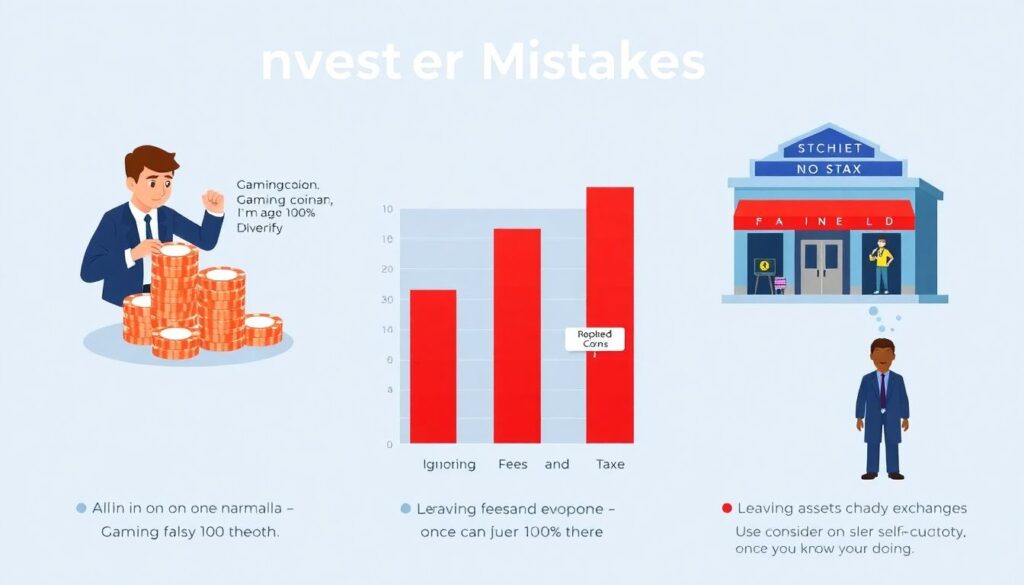
– All‑in on one narrative – “Gaming coins will moon, I’m going 100% there.” Diversify.
– Ignoring fees and taxes – Profits can evaporate once you factor in both.
– Leaving assets on shady exchanges – Use reputable platforms and consider self‑custody once you know what you’re doing.
—
Step 8. How to Build a Simple, Balanced “Gamer–Investor” Strategy
Let’s put this into a practical, step‑by‑step plan.
1. Map Your Involvement
Write down:
1. How much time each week you spend on games and esports.
2. How much money you’re willing to risk in this entire “sector” for 12 months.
3. What your main goal is: fun money, side income, or serious long‑term investing.
2. Allocate in Buckets
A beginner‑friendly way to think about it:
1. Education bucket – Courses, books, or coaching to actually get better at games, markets, and risk management. This has the best ROI long term.
2. Low‑risk exposure – Maybe a small position in broad gaming‑related stocks or major crypto assets with strong track records.
3. High‑risk experiments – A small, clearly limited portion for speculative plays: new crypto games, niche tokens, or esports bets.
If “high‑risk experiments” is more than you can emotionally handle losing, you’re overexposed.
3. Set Review Checkpoints
Every 3 months:
– Review your wins and losses.
– Cut what isn’t working, even if you “like the project.”
– Rebalance so you’re not accidentally turning your portfolio into an all‑speculation lottery ticket.
—
Step 9. How to Tell Signal From Noise in 2025
The news firehose isn’t slowing down. To keep your sanity:
Build a Personal Filter
Look for:
– Sources that admit uncertainty – If someone pretends to know the future, be skeptical.
– Analysts who show their reasoning and data – Not just “trust me bro” price targets.
– Track records – Did this person or outlet call both good and bad cycles, or do they only show up in bull markets?
And remember: if a project or token only looks good when everyone is euphoric, it’s not robust.
—
Step 10. Final Checklist Before You Put Money on the Line
Before you jump on any hot trend from crypto, gaming, or esports, run through this fast list:
1. Do I understand how this makes money and for whom?
2. Can I explain it in simple English to a non‑gamer friend?
3. Have I checked withdrawals, fees, and lock‑ups?
4. Is my life stable if this goes to zero?
5. Have I slept on it at least one night instead of FOMO‑buying?
If you can honestly say “yes” to all five, you’re already ahead of most people chasing the latest hype cycle.
—
In 2025, the lines between playing, watching, and investing are blurrier than ever. The trick isn’t to avoid crypto, gaming, or esports — it’s to walk into them with open eyes, a clear plan, and a hard limit on what you’re willing to risk.
Use your enthusiasm as fuel, not as a blindfold, and the headlines will start to look less like chaos and more like a set of choices you control.