

Why Contracts Matter More Than Your Aim
Becoming a pro isn’t just about mechanics and game sense. The moment someone offers you a “simple” agreement on Discord, you’ve entered the world of business law, even if it’s a two‑page Google Doc. An esports contract is a legally binding document: it sets your pay, your schedule, your rights to streaming income, and what happens when things go wrong. If you sign without reading (or understanding), you’re basically speed‑running a long‑term trap. You might lock yourself into a low salary while your brand explodes, or give away all revenue from your YouTube, merch, and sponsorships because the wording was vague. Think of a contract as the rulebook for your career: if it’s badly written, no amount of skill will “carry” you out of it easily.
New players often treat contracts like patch notes: skim the bold parts, ignore the rest. That’s how people end up with three‑year deals they can’t escape, or fines for missing a “mandatory content day” they didn’t realize was in the fine print. If you only remember one thing: never assume a contract is “standard”; always assume it’s negotiable.
—
Basic Terms You Must Understand Before Signing
Core Definitions in Plain English
Before you even think about how to negotiate esports salary and sponsorship deals, you need to speak the same language as the team’s manager or lawyer. “Term” is the length of the contract: how long you’re locked in. “Compensation” is everything you get paid, not just the base salary. It can include prize‑money split, streaming revenue share, bonuses, and sometimes even equipment. “Exclusivity” usually means you can’t play for another team or sometimes even another game in the same genre. “Territory” describes where the agreement applies, often “worldwide”, which sounds cool but can have tax and legal consequences. “IP rights” (intellectual property) control how your nickname, logo, and content can be used by the org.
Newcomers often confuse “option” and “auto‑renewal”. An “option” usually means one side (often the org) can extend the contract if they tell you in time. Auto‑renewal is sneakier: the contract just keeps going unless someone cancels it before a certain date. Miss that date, and you’re stuck for another year under the same conditions.
A Text Diagram of a Simple Contract
Imagine a contract as a flow chart described in words:
Start → [Who] → [What] → [For How Long] → [For How Much] → [What If Something Goes Wrong] → End.
“Who” = parties: you and the team.
“What” = your obligations: scrims, content, events.
“For How Long” = term, option years.
“For How Much” = salary, bonuses, cuts of revenue.
“What If Something Goes Wrong” = termination, disputes, penalties. If any of these “boxes” is fuzzy or missing, that’s a red flag.
—
Money: Salary, Prize Splits, and Side Revenue
How You Actually Get Paid
For many rookies, “I get a salary” sounds like winning already, and they stop asking questions. But the way your money is structured matters a lot. Base salary is the fixed amount per month. Then, prize‑money distribution says who gets what from tournament winnings: a common split is something like 70–90% to players and the rest to the org, but I’ve seen contracts where the org takes half or more. There can also be performance bonuses (for example, top‑3 finish or qualifying for a major), streaming incentives, and sometimes signing bonuses. If these aren’t spelled out clearly, the default is not “fair”; the default is “whatever the contract says”, even if you assumed something different.
Another subtle point is payment timing and currency. Are you paid monthly, quarterly, after each event? In dollars, euros, or crypto? Is there a clause that lets the team delay payment under “exceptional circumstances”? That phrase can be abused to justify months of waiting. Beginners often forget to check whether the org can change their salary “in its sole discretion”; that one sentence can turn a nice offer into a gamble if the team’s finances dip.
Prize Money vs. Streaming vs. Sponsors
Don’t just ask “how much”; ask “from which bucket”. Prize money is one bucket, your Twitch or Kick subs and donations is another, and brand deals (energy drinks, hardware, apparel) is a third. A strong contract separates these clearly instead of blending them into one vague “revenue” line.
—
Legal Services and Esports‑Specific Help
Why You Might Need a Specialist, Not Your Uncle’s Lawyer
Traditional entertainment and sports lawyers know a lot, but esports has its quirks: streaming platforms, digital goods, in‑game items, tournament operator rules, and sometimes underage players. That’s why an esports contract lawyer or a firm that offers legal services for esports teams and players can be worth far more than their fee. They know the usual salary ranges, what’s reasonable for content obligations, and which tricky clauses are common in your specific game. Think of them as a coach for your business game: they’ve scrimmed against these contract drafts many times already and know the cheese strats.
If you can’t afford a full‑blown law firm, look for an esports contract review service that offers flat fees just to read and explain your deal. You still make the final decisions, but at least you’re not guessing. One of the most common mistakes is treating legal help as something “for later, when I’m big”. The first deal you sign can shape your entire career, including who owns your name and content. That’s not something you want to fix after you blow up on TikTok.
Quick Comparison: Esports vs. Traditional Sports Contracts
In traditional sports, contracts often go through leagues, unions, and standardized forms. In esports, there is rarely a players’ union or fully standardized agreement, so terms vary wildly between orgs.
—
Templates, Copies, and “Standard” Deals
The Good and Bad of Using Contract Templates
A professional esports player contract template can be a useful starting point, especially if you’re a small org or a semi‑pro team. It gives you a checklist of things that should be covered: term, pay, obligations, IP, termination. But for a player, the risk is assuming any template you’re shown is “industry standard”. There is no real standard yet, and some templates floating around Reddit or Discord are outdated, one‑sided, or even copied from a completely different country’s law. A template is a skeleton; your actual contract is the living body. You still need to adjust it to your game, region, and plans.
Another trap is signing a contract that was originally written for staff (coach, analyst, editor) rather than a player. That type might be missing prize‑split rules, tournament‑specific obligations, or clauses about in‑game accounts. New players sometimes don’t notice because they’re just happy to “go pro”. If anything in the template doesn’t make sense, ask why it’s there. If nobody can explain it clearly, that’s a bad sign.
Why Copy‑Pasting Is Dangerous
Orgs sometimes lift clauses from big‑team contracts without the support structure those teams have (like proper payroll or legal departments). You might see harsh penalty clauses or strict morality rules enforced by people who barely run their own Discord. Paper looks serious; reality might not match.
—
Negotiation: Turning “Take It or Leave It” into a Conversation
How to Talk About Money Without Burning Bridges
Many rookies treat contracts as one‑way messages: org sends, player signs. In reality, almost everything is negotiable if you push calmly and respectfully. Learning how to negotiate esports salary and sponsorship deals starts with mindset: you’re not begging; you’re trading value. The team gets your skill and brand; you get stability and support. Instead of saying, “I want more money”, try, “Based on my stats, stream numbers, and competing offers, I’m looking for something closer to X. Can we adjust the base salary or prize split, or maybe add a clear bonus structure?” This signals that you’ve done homework and you’re solution‑oriented. Sometimes orgs can’t increase salary, but may improve other terms: a shorter term, better exit clauses, or more freedom for your content.
A common rookie mistake is negotiating only the number, not the conditions around it. A slightly lower salary with a six‑month term and easy out clause can be far better than a bigger number locked in for three years with no escape. Similarly, you can negotiate streaming requirements: if they want you to stream branded content, ask how many hours per week, at what times, and whether they’ll promote your channel. Vague phrases like “reasonable amount of content” can turn into burnout.
What “No” Actually Means
Sometimes “We don’t change our contracts” is just a tactic. If the org really wants you, they’ll often move on at least a few points. If they truly won’t budge on anything, ask yourself why. That rigidity is a preview of what it’s like working with them.
—
Clauses That Can Make or Break Your Career
Termination, Buyouts, and Suspension
Every newcomer looks at the salary page first and the termination page last, if at all. That’s backwards. Termination clauses describe how the relationship ends, and that’s where the nastiest surprises live. There’s usually “termination for cause” (cheating, severe misconduct, breaking law) and “without cause” (no specific reason). If the team can fire you “without cause” anytime and stop paying instantly, your “yearly” salary might only be safe month by month. On the other hand, check what happens if you want to leave: is there a buyout fee? Is it capped, or can they set it to any number?
Suspension clauses are also critical. Some contracts allow the org to suspend you with reduced pay just for “alleged” misconduct, before any investigation finishes. That can be abused if there’s internal drama. A balanced contract usually requires some process: written notice, a chance to respond, maybe even involvement of the league or tournament organizer. If the section reads like they can bench you and pay nothing indefinitely, that’s a bad sign.
Dispute Resolution: Where Do You Fight?
Buried near the end you’ll see clauses about “governing law” and “jurisdiction” or “arbitration”. If the contract says disputes must be handled in a court on the other side of the world, realistically you’ll never go. That gives the stronger party leverage. Esports‑friendly agreements sometimes use neutral arbitration or at least your own country’s courts. It’s not glamorous to think about lawsuits on day one, but ignoring this is how people get stuck when stuff goes sideways.
—
Content, Branding, and Who Owns What
Your Nickname Might Be Worth More Than Your KD
In modern esports, your personal brand is often more valuable than your scoreline. Streams, YouTube, TikTok clips, Twitter/X posts – all of this builds long‑term value. Contracts usually include “IP and likeness” sections that say how the org can use your name, logo, voice, and image. Reasonable clauses let the team use your likeness for promotion while you keep overall control. Predatory ones claim ownership over every piece of content you create during the contract or even over your nickname after you leave. Yes, some players have effectively signed away the right to use their own tag in future projects without paying or asking the old org.
Another tricky area is team channels vs. personal channels. If you’re building up a team‑branded YouTube with your content, ask what happens when you leave. Do they keep using old footage? Can they cut new videos with your face and sponsor tags you no longer support? These details should be written, not “understood”. New players often only discover the problem when they clash with a new sponsor who doesn’t want their logo next to a rival brand that still appears in old videos.
Sponsorship Conflicts and Restrictions
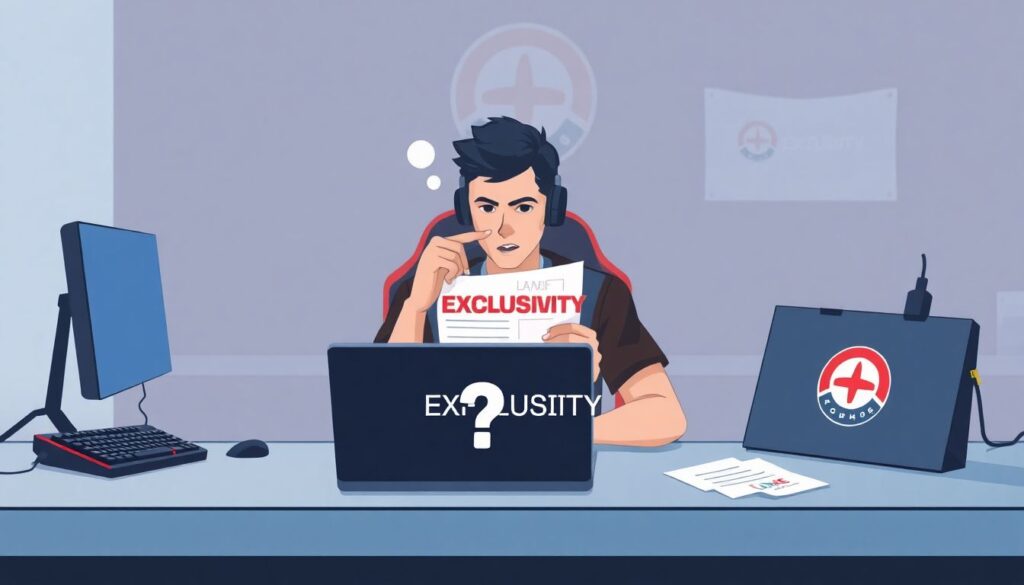
Check for “exclusivity” in sponsorships: if the team has a hardware sponsor, can you accept a personal deal from another? Usually not. That’s normal, but there should be clarity. Otherwise you might turn down good offers because you don’t know what’s allowed.
—
Common Rookie Mistakes and How to Avoid Them
Typical Traps New Players Fall Into
The most frequent mistake is rushing. Players get hyped about joining a known logo and sign within hours. They don’t get a esports contract lawyer, don’t ask for an esports contract review service, and don’t even talk to older players. Another big one is trusting verbal promises over written text. “We’ll raise your salary after the first major” is meaningless unless it’s a clause. The contract is the only thing that counts in a dispute. Many also underestimate the impact of “minor” clauses like content hours, travel obligations, or social media requirements. These can add up to an extra part‑time job on top of scrims, leading to burnout.
Rookies also ignore tax and region issues. A contract that looks great on gross salary can be far weaker after taxes, healthcare, and travel costs. If the contract says you must handle all travel to bootcamps or LANs yourself, that’s a huge hidden expense. Finally, young players often sign deals without telling their parents or guardians, even when the law requires parental consent. That can make the contract shaky and create extra drama later.
A Simple Sanity Checklist
Before signing, ask: Do I fully understand term, money, termination, IP, and content obligations? Has someone neutral looked at this? Can I live with this deal if everything goes average, not perfect? If any answer is “no”, slow down. Short delay now is better than years stuck in a bad deal.
—
Final Thoughts: Treat Your Contract Like a Ranked Game
Your contract is not paperwork you click through; it’s the map for your career. Read every line like a clutch round depends on it. Ask questions until you can explain each key clause to a friend. Use specialists where you can, or at least talk to experienced players who’ve been burned before and learned from it. Money and legal terms might feel boring next to big plays and highlight reels, but they decide who actually benefits from your success. Play smart here, and you give your talent a fair shot to pay off.