
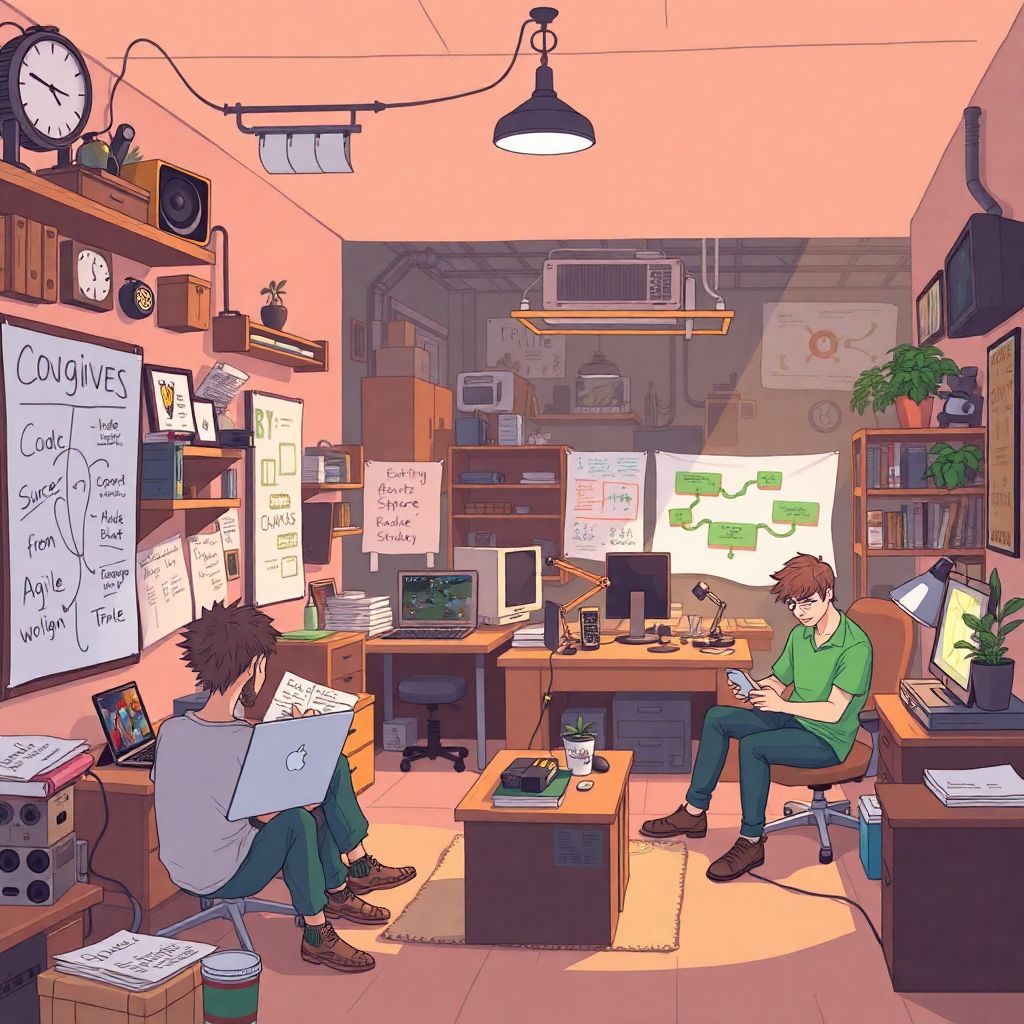
The Impact of Depleting Resources on Game Development Budgets
Understanding the Pressure of Shrinking Resources
In recent years, the gaming industry has faced a paradigm shift. As development costs rise and resources — both financial and human — become increasingly scarce, studios are forced to rethink traditional approaches. Factors like global economic instability, talent shortages, and escalating software/tool license fees put considerable strain on production budgets. Independent developers feel this pinch most acutely, but even major studios are now optimizing pipelines and cutting content to stay within budgetary constraints. This evolving environment demands adaptability and innovation at every level.
Inspiring Examples of Creative Budget Management
Despite these challenges, numerous studios have thrived by embracing smarter production models. For instance, the team behind *Stardew Valley*, a solo-developed project, used limited resources to produce a critically acclaimed game by focusing on gameplay depth over flashy graphics. Similarly, *Undertale* leveraged minimalist visuals and emotionally rich storytelling to captivate millions. These examples show that constrained resources don’t necessarily limit creativity — they can ignite it. Intelligent design choices, efficient project scoping, and passion-fueled development can produce remarkable results.
Comparing Solutions: Scalable vs. Conservational Approaches
Different studios tackle resource depletion using varying strategies. Here’s a comparative breakdown:
1. Scalable Pipeline Development – Studios like Ubisoft invest heavily in proprietary engines and modular asset pipelines that can be reused across projects, significantly reducing redundant work and costs.
2. Remote Collaboration & Outsourcing – Smaller studios opt for decentralizing development. Tools like GitHub, Unity Collaborate, and Slack allow distributed teams to work cost-effectively across regions.
3. Minimal Viable Product (MVP) Model – Many indies prefer launching a basic version of their game and improve it post-release via community-driven feedback. This reduces upfront investment while ensuring the game aligns with market demand.
Each method comes with tradeoffs. Scalable pipelines demand upfront investment, remote collaboration can strain communication, and MVPs risk releasing incomplete experiences. The ideal solution lies in combining these approaches based on project scope and available capital.
Case Studies: Success Amidst Limitations

Look at *Celeste* — originally developed under the constraints of a game jam, it evolved into a full-fledged release that won multiple awards. The developers focused on tight mechanics, pixel art, and a strong emotional core rather than resource-intensive production. Another great example is *Hades* by Supergiant Games. Despite being a relatively small studio, strategic early access allowed them to fund development while building a loyal fan base. These cases illustrate that tight budgets can foster not only creativity but also sustainable revenue models.
Recommendations for Evolving Despite Constraints

To thrive in an environment of dwindling resources, developers should:
1. Audit and Streamline Workflow – Eliminate redundant stages by using agile project management tools like Jira or Monday.com.
2. Leverage Open-Source or Free Tools – Engines like Godot or frameworks like Phaser can drastically reduce licensing expenditures.
3. Build Modular Assets – Reusable assets save time and money across projects.
4. Engage Community Early – Crowdfunding and playtesting not only validate ideas but also generate funding and fan support.
5. Invest in Learning and Retooling – Upskilling your team in resource-efficient practices like shader optimization, code refactoring, or automation can have long-term returns.
Resources to Build Resilience and Skill
Numerous educational platforms provide the tools needed to adapt and excel. Sites like Coursera and Udemy offer specialized courses in game optimization, lean development, and toolchain automation. The GDC Vault is a goldmine of industry insights. GameDev.tv and Unity Learn provide platform-specific tutorials that emphasize cost-effective practices. By continually learning and iterating, developers not only survive under budget pressure but discover new methods to elevate their craft.
Turning Constraints Into Catalysts for Innovation
Rather than viewing budget constraints as obstacles, forward-thinking studios are treating them as boundaries that define innovation. Depleting resources compel teams to question norms, challenge assumptions, and build better with less. The next generation of legendary games may not come from massive budgets, but from teams that master the art of doing more with what they have. Embrace resourceful development, and the limits may very well become the launching pad for your game’s success.