
Category: Savings Tips
-

Esports salaries and prize pools: what pros really earn and manage money
Esports pros earn a mix of base team pay, cuts of esports prize pool earnings, and extra income from streaming, sponsorships, and content. To manage it well, you separate fixed and variable income, automate saving and taxes, track every deal, and negotiate contracts that protect you when your form, team, or the game’s meta shifts….
-
Battle pass or bank account: smart spending tips for free-to-play gamers
For most free-to-play gamers, your bank account should usually win: lock in a small monthly savings amount first, then only buy a battle pass when it fits that plan, you reliably finish it, and you truly value the rewards. Treat passes as optional entertainment, not default spending or pressure purchases. Quick Budget Verdicts for Free-to-Play…
-

Weekly market patch notes: how gaming news and tech trends move crypto, stocks
Weekly market patch notes turn gaming announcements and tech trends into a structured event calendar, linking news to crypto and stock price action. Track catalysts, predefine scenarios, and focus on liquid gaming, crypto, and tech names. Combine sentiment, volume, and volatility to build repeatable, risk-managed event-driven trades. Patch Summary: Market Signals from Gaming & Tech…
-

Passive income for players: simple guide to dividend stocks and yield farming
Passive income for players means setting up investments that pay you while you focus on matches, content, or work. Use dividend stocks, REITs, bonds, and carefully chosen yield farming instead of random “high APY” offers. Start small, automate contributions, manage risk per asset, and review results on a fixed schedule. Quick Playbook: Core Passive Income…
-

Bear markets vs.. Losing streaks: how to stay calm when investments drop
When your investments drop, first separate a broad bear market from a personal losing streak. Then check time horizon, diversification and cash needs before acting. In a bear market, gradual rebalancing and risk controls usually beat panic selling. In a losing streak, adjust position sizing, review your strategy and tighten risk management. At-a-Glance Distinctions Bear…
-

From loot boxes to budgets: a gamer’s guide to tracking every dollar
Most gamers can tell you the drop rate of a legendary item, but ask how much they spent chasing it this month and things get fuzzy fast. Digital purchases feel weightless, subscriptions renew quietly, and suddenly the “cheap hobby” starts looking like a second rent. This guide is about moving from blind clicking on loot…
-

Savings challenges for gamers: turn daily quests into real money goals
Why Savings Challenges Click So Well for Gamers If you grind dailies without missing a streak, you already have the mindset for money saving challenges for gamers. Games train you to chase progress bars, unlock cosmetics and optimize builds; личные финансы работают по тем же законам. Когда вы превращаете финансовые цели в квесты с уровнями,…
-
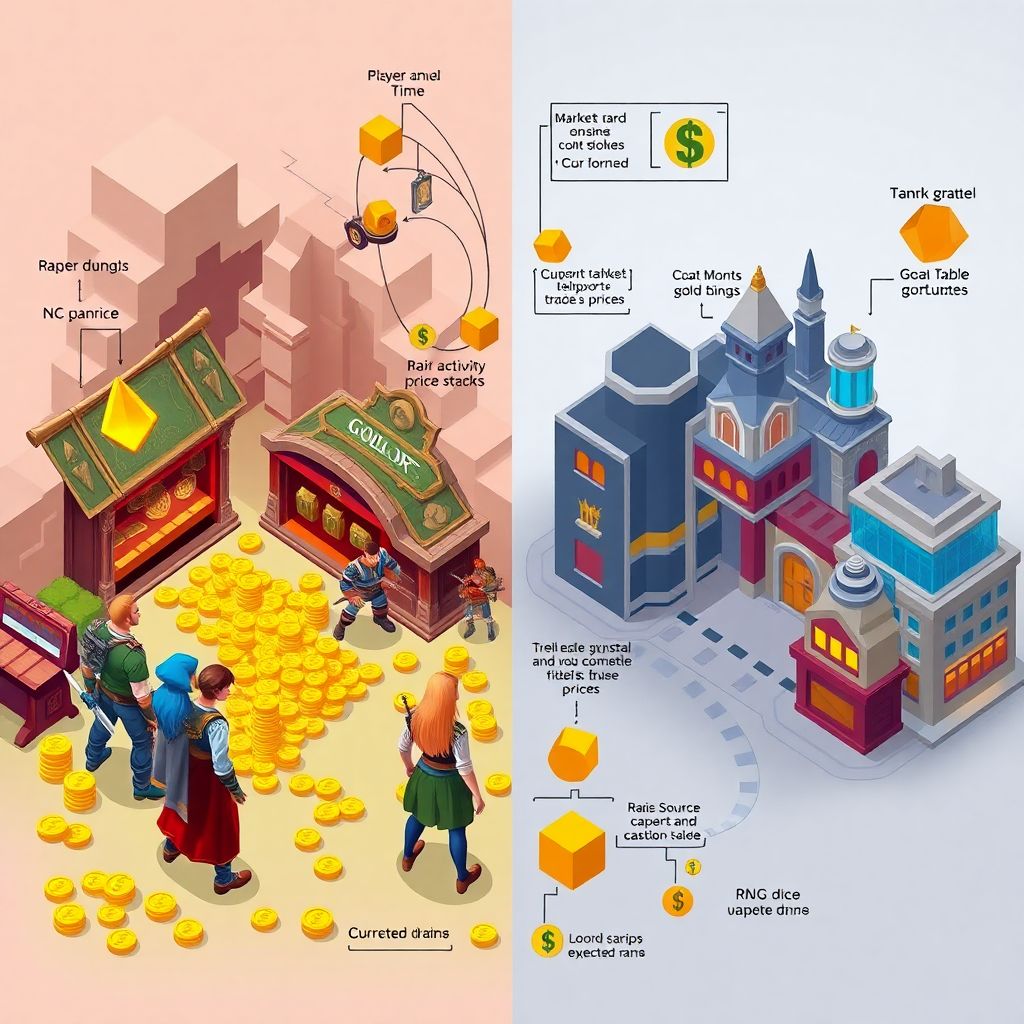
In-game vs real economies: lessons gamers use to manage money better
In‑Game Economies: What They Really Are In‑game economies are simulated systems where virtual resources, currencies and items move between players, NPCs and game mechanisms according to predefined rules. Technically, it is a closed economic model with controlled issuance of currency, deterministic drop rates, and automated market-making via vendors or auction houses. You already understand core…
-

Crypto security for gamers: protect your wallet like your main account
Why gamers need to think about crypto security For a lot of players, skins, passes and in‑game currencies quietly turned into real money years ago. Now add NFTs, tokens, guild payouts, play‑to‑earn drops – and suddenly your gaming rig is also a small financial hub. That’s where crypto wallet security for gamers becomes as critical…
-

Power-leveling your credit score with gamer tactics for better loans and rates
From Arcade High Scores to FICO: A Short History of Credit “XP” Before we start power‑leveling, it helps to know what game you’re actually playing. Credit scores are basically your financial “character sheet”, but this system is surprisingly young. In the 1950s–60s банки и ипотечные бюро в США полагались на субъективные заметки и бумажные картотеки….