
Category: Gamer Money Management
-

Budgeting for gamers: level up your wallet with this beginner’s guide
Budgeting for gamers means deciding in advance how much you’ll spend on games, subscriptions, and hardware, then sticking to clear limits with simple tools. You separate “must pay” bills from gaming money, track every gaming expense, plan big upgrades early, and use sales and subscriptions without letting impulse buys or credit debt take over. Quick…
-

Side quests for cash: legit ways gamers can earn extra income online
To make money gaming online safely, pick one or two low-risk income streams, set up profiles on trusted platforms, and treat everything like freelance work. Start with clear limits on time, budget, and personal data, verify payout methods, test with small tasks, then scale what reliably pays and feels sustainable. Snapshot: Fast Actions to Start…
-

Nfts, skins and digital assets: what gamers need to know before investing
NFT skins and gaming assets are risky, speculative digital collectibles that live on a blockchain and can be traded outside a single game, unlike traditional cosmetic items. Before investing, understand ownership limits, game and marketplace policies, security practices, resale options, and be ready to lose all money you put into these assets. Investor essentials for…
-

Battle pass or bank account: how to make smart choices with limited cash
If your bills, food, and emergency cushion are not secure, put every spare dollar into your bank account, not a battle pass. If essentials are fully covered and you already save something each month, a small, capped spend on a battle pass can be reasonable entertainment, especially when you treat it like a planned purchase.…
-

Emergency fund basics explained in gaming terms to build your financial safety net
An emergency fund is a dedicated cash stash that covers real-life “boss fights” like job loss, medical bills, or broken gear, so you are not forced to swipe a credit card or sell investments at a bad time. It lives outside your normal spending, stays liquid, and restores your financial hit points. Core Mechanics: Emergency…
-
Crypto rewards for gamers: turn in-game earnings into real-world investments
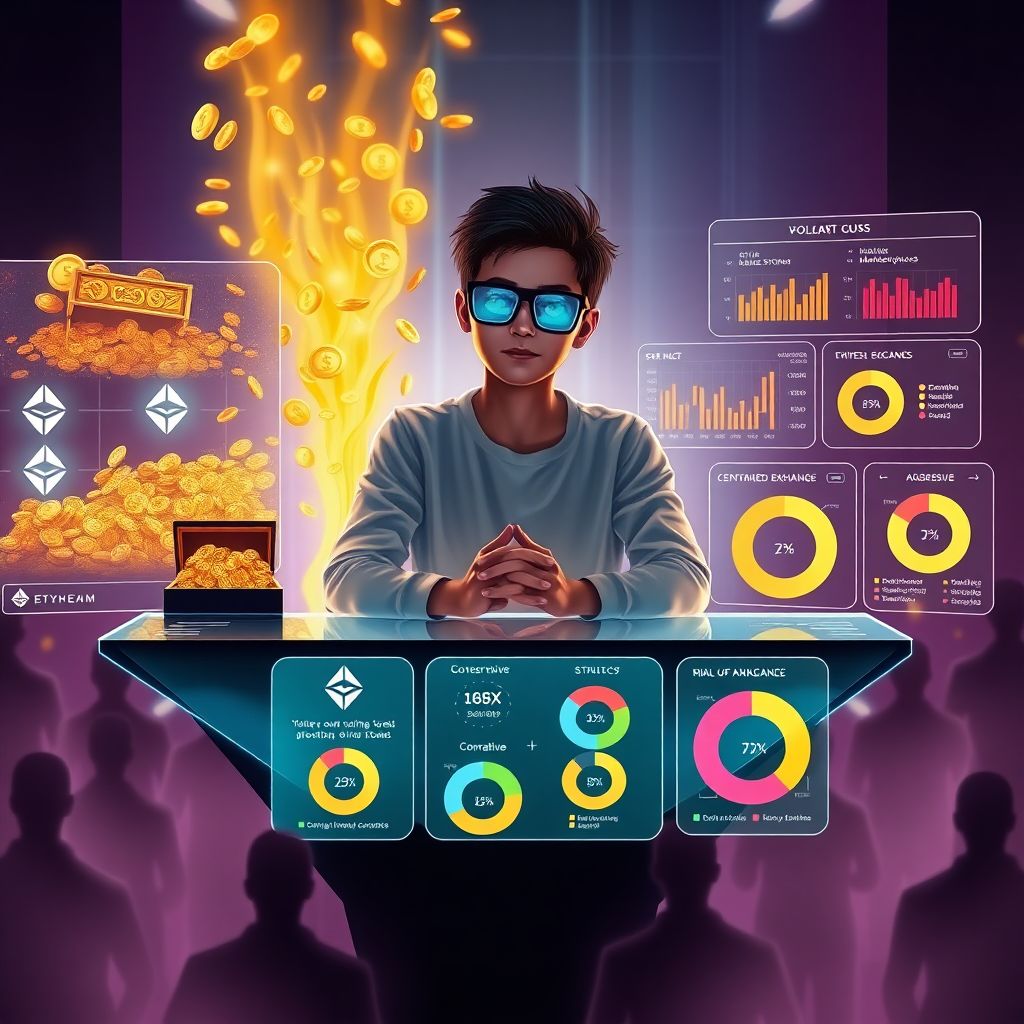
From Loot Drops to Investment Portfolio: Why Crypto Rewards Matter in 2026 Ten years ago внутриигровое золото было просто цифрой на экране. В 2026-м внутриигровые токены — это уже активы, которые можно вывести на биржу, положить в DeFi или вложить в индексный криптофонд. Игровое время постепенно превращается в экономическую активность, а геймер — в частного…
-

Market news for gamers: how major esports deals shape your investments
Why gamers suddenly care about market news Esports stopped being just “kids clicking fast” the moment real money showed up. According to Newzoo, global esports revenues grew from roughly $1.08B in 2021 to about $1.38B in 2022, while the audience jumped from around 465M to 532M viewers. The broader games market cooled after the COVID…
-

Long-term investing strategies for esports fans who want to retire early
Why Esports Fans Think About Early Retirement At All If you watch pro League, Valorant или Dota, ты постоянно видишь одну и ту же картину: игрокам по 18–24 года, пик карьеры короткий, а дальше — туман. Это хороший повод задуматься: что, если перенести эту логику в личные финансы? Поиграть в «финансовый спидран» и выйти на…
-

Money management for gamers: building a budget on an irregular income schedule
Trying to balance raid nights, ranked queues and random payouts from Twitch, tourneys or freelance gigs is basically a modern economic experiment. Building a budget on a gamer’s schedule in 2026 means dealing with irregular income streams, volatile platforms and a cost structure that mixes everyday bills with high-end hardware. Ниже — как понять эту…
-

Crypto staking for gamers: earn passive income while grinding ranked matches
Why Crypto Staking Makes Sense for Gamers If you already grind ranked matches for hours, you’re basically built for long‑term strategies. Crypto staking for gamers taps into that same mindset: you lock (delegate) your gaming tokens to secure a blockchain network or a DeFi protocol, and in return you get periodic rewards, usually paid in…