
NFT skins and gaming assets are risky, speculative digital collectibles that live on a blockchain and can be traded outside a single game, unlike traditional cosmetic items. Before investing, understand ownership limits, game and marketplace policies, security practices, resale options, and be ready to lose all money you put into these assets.
Investor essentials for NFTs and in-game assets
- Treat every NFT gaming investment guide as a starting point, not financial advice; risk of total loss is real.
- Ownership is limited by game servers, publisher policies, and smart contract code, not just screenshots or promises.
- Value depends on rarity, in-game utility, developer support, and liquidity on trusted marketplaces.
- Security hygiene (wallets, hardware devices, phishing protection) matters more than “finding the best NFT games to invest in”.
- Regulation, taxes, and platform rules can change quickly; assets or accounts can be frozen or banned.
- Plan your exit before buying: where, how, and to whom you can realistically resell.
How blockchain-based skins differ from traditional cosmetic items
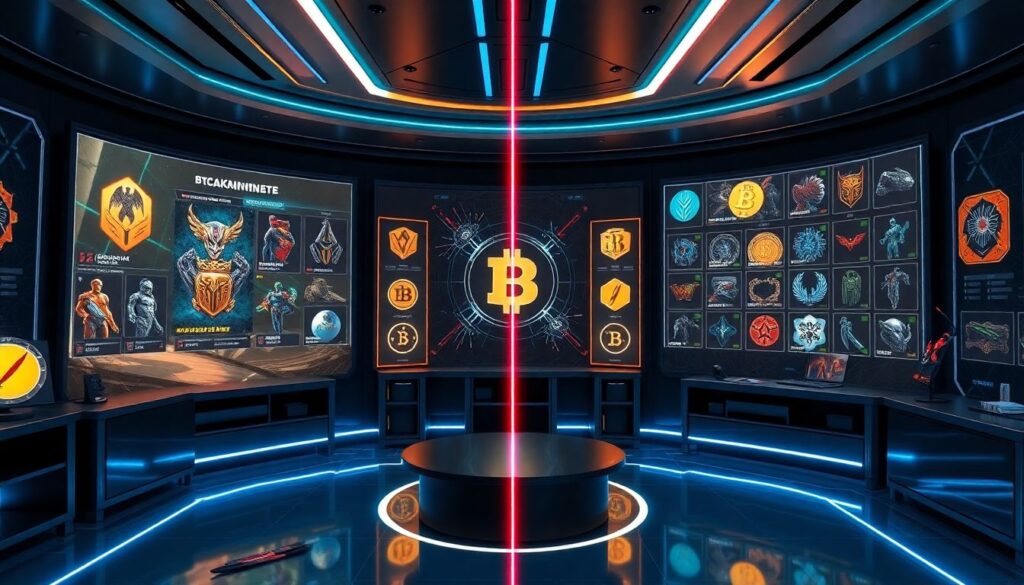
NFT-based skins and digital assets are tokens recorded on a blockchain, while traditional cosmetic items are entries in a game developer’s centralized database. The difference affects how you can trade them, where they are visible, and what happens if a game shuts down or bans your account.
For intermediate gamers reading an NFT gaming investment guide, this model can be attractive because you can sometimes trade items across third-party markets, potentially profit, and verify scarcity on-chain. However, control still sits with the game studio and platform: they can disable support for a collection, change drop rates, or restrict in-game use.
Blockchain skins may suit you if:
- You already understand basic crypto concepts (wallets, gas fees, seed phrases).
- You can afford to lose the entire amount you spend without harming your finances.
- You value collection and gameplay utility more than expected profit.
- You have time to research contracts, teams, and marketplace risks.
It is usually better not to invest in NFT skins if:
- You are in debt, under financial pressure, or looking for guaranteed income.
- You do not fully understand how to secure a wallet and avoid scams.
- You treat every viral drop or “exclusive” sale as a sure way to make money.
- You are in a jurisdiction with unclear or restrictive crypto regulations.
Always remember: NFTs may extend your rights to trade, but they do not guarantee permanent in-game functionality or enforceable ownership against the publisher’s terms of service.
Evaluating value: rarity, utility, provenance, and market liquidity
Before you decide whether NFT skins are a good investment, evaluate value drivers using practical tools and checks. You do not need advanced trading bots, but you do need time, attention, and a basic crypto setup.
What you will typically need:
- A non-custodial wallet (for example, MetaMask or a reputable alternative for the chain the game uses).
- Access to at least one major marketplace where you can buy and sell gaming NFTs marketplace listings for that game.
- A block explorer (such as Etherscan, Polygonscan, or similar) to inspect token contracts and transaction history.
- Official game documentation: whitepaper, roadmap, and terms of service.
- Community channels (Discord, Twitter, forums) to verify player interest and real trading activity.
Core value dimensions to analyze:
- Rarity: Check collection size, drop mechanics, and trait distribution. Avoid relying only on “rarity rank” sites; confirm on the block explorer or official docs.
- Utility: Identify what the asset does in-game (cosmetic only, gameplay buff, access pass, governance). Pure cosmetics rely more on brand and community.
- Provenance: Confirm the smart contract address from official sources; check whether the asset was minted by the game team or a third-party and whether metadata is immutable or upgradable.
- Market liquidity: Review listing depth, past sale volume, and spread between highest bid and lowest ask. Thin liquidity means it may be hard to exit at a fair price.
For players exploring how to make money with NFT game assets, focusing on liquidity and utility tends to be more important than chasing ultra-rare items that barely trade. A skin that sells every day, even at modest prices, is easier to exit than a legendary piece that never moves.
Technical due diligence: wallets, smart contracts, and security best practices
Before interacting with any contract or marketplace, be clear about non-technical but critical constraints:
- You can lose assets permanently if you sign a malicious transaction or leak your seed phrase.
- Smart contracts may contain bugs or backdoors; audits reduce but do not remove risk.
- Official-looking links can be fake; always verify URLs from trusted sources.
- High gas fees can make small trades unprofitable or fails costly.
Follow these safer, step-by-step practices.
-
Set up a dedicated gaming wallet.
Create a fresh non-custodial wallet specifically for NFT gaming, separate from your main crypto holdings. This limits damage if a game or marketplace is compromised.
- Write down the seed phrase offline; never store it in screenshots or cloud notes.
- Enable all available security options in your wallet software.
-
Fund your wallet cautiously.
Transfer only the amount you are comfortable losing to your gaming wallet, plus a bit extra for gas fees. Test with a very small transfer before sending larger amounts.
- Confirm network (Ethereum, Polygon, etc.) carefully before sending.
- Double-check recipient addresses character by character.
-
Verify official smart contract addresses.
Get the NFT collection contract directly from the game’s official website or documentation. Cross-check the address on a block explorer to confirm name, symbol, and activity.
- Avoid contracts shared only in chat messages or unofficial groups.
- Look for signs of recent malicious activity (suspicious transfers, zero-value spam).
-
Connect only to trusted marketplaces.
When you buy and sell gaming NFTs marketplace items, ensure the URL is correct and bookmarked. Phishing clones often differ by a single letter or domain extension.
- Never follow marketplace links from random DMs or pop-up ads.
- Review required permissions before approving marketplace contracts.
-
Review token approvals regularly.
Use an approval management tool or block explorer to see which contracts can move your NFTs or tokens. Revoke access you no longer need, especially after using new platforms.
-
Use hardware wallets for higher-value holdings.
If your collection grows in value, migrate long-term holdings to a hardware wallet. Use your hot gaming wallet only as a “spending” wallet for active trading.
-
Practice safe signing habits.
Read prompts carefully; avoid blindly signing “SetApprovalForAll” transactions or ambiguous messages. If you do not understand a transaction, cancel it and research first.
Market risks: speculation, wash trading, and price manipulation
Before acting on any NFT trend or tip, run through this risk checklist:
- Does recent price action look organic, with varied buyers and sellers, or concentrated between a few addresses repeatedly trading with each other (potential wash trading)?
- Are volumes consistent over time, or did they spike suddenly around marketing news and then collapse?
- Is the floor price supported by real bids, or only by optimistic listings that never actually sell?
- Do large holders (“whales”) control an outsized share of the collection, making it easy for them to move prices?
- Is the game live and actively updated, or mostly promises and trailers with no real player base?
- Are influencers promoting the project clearly disclosing sponsorships or holdings?
- Can you identify non-speculative reasons players want this asset (tournaments, access, progression), or is the pitch almost entirely about flipping for profit?
- Have there been previous rug pulls or abandoned projects from the same team or publisher?
- Is there clear documentation of how new supply will be introduced, or could inflation suddenly crush prices?
- Would you still be comfortable holding the asset if you could not sell it for at least a year?
Legal, tax, and platform policy considerations for gamers
Legal and policy mistakes can damage you more than price volatility. Watch out for these common issues:
- Ignoring your local regulations on crypto trading and reporting obligations for gains or losses.
- Assuming that game assets are always “just collectibles” and never considered taxable or regulated instruments.
- Overlooking that many platforms ban or restrict real-money trading or using accounts primarily for speculation.
- Failing to read the game’s terms of service, especially around account bans, asset confiscation, and secondary market usage.
- Assuming that “ownership” of an NFT guarantees legal rights to artwork, branding, or characters beyond stated license terms.
- Participating in unregistered token sales or airdrops that might be considered securities offerings in some jurisdictions.
- Not tracking your transaction history, making it hard or impossible to reconstruct tax records later.
- Letting minors trade or speculate using your accounts or wallets, contrary to platform age restrictions.
- Relying on verbal promises from communities or moderators rather than written, official policies.
Exit strategies: resale channels, royalties, and valuation recovery
Planning exits is as important as identifying the best NFT games to invest in. An asset that is easy to buy but hard to sell is a trap for new investors. Map out realistic options before committing serious funds.
Main exit alternatives and when they make sense:
- Open NFT marketplaces: Suitable when the collection has steady volume on established platforms and clear royalty rules. Good for liquid, mid-priced items. Less ideal for niche or illiquid skins.
- In-game or publisher-approved markets: Work best where official systems support safe trading, escrow, and anti-fraud protections. Often lower risk of policy violations but may limit cross-game resale possibilities.
- Peer-to-peer trades within communities: Appropriate only when trust is high and you use secure, escrow-like mechanisms. Avoid direct OTC deals with strangers; scams are common.
- Long-term holding and non-financial value: Sometimes the best “exit” is to treat the asset as a sunk entertainment cost and enjoy its cosmetic, status, or access benefits, especially if liquidity dries up.
Whichever option you choose, factor in marketplace fees, creator royalties, and gas costs. These can significantly erode returns and turn apparently profitable flips into breakeven or losing trades.
Practical answers to common investor doubts
Are NFT skins a good investment for regular gamers?
They can be entertaining high-risk collectibles, but they are not reliable investments. Treat them like spending on premium skins in traditional games, with a small chance of resale upside, rather than a core way to grow your money.
How can I start safely with NFT game assets?
Begin with a small, fixed budget you can afford to lose, set up a dedicated wallet, and focus on one or two games you already play and understand well. Avoid leveraging, borrowing, or chasing hype-driven mints and “guaranteed flip” tips.
Which are the best NFT games to invest in right now?

There is no universal list. Focus on games with active player bases, transparent teams, working products, and consistent marketplace liquidity. Re-evaluate regularly; a strong game today can decline quickly if support or community activity fades.
Is it possible to make money with NFT game assets consistently?
Some traders profit, but consistent returns are rare and require deep research, discipline, and luck. For most players, NFTs should remain a speculative side activity, not a primary income strategy or substitute for a job.
What is the safest marketplace to buy and sell gaming NFTs?
Use large, well-known platforms with a strong security track record and clear support for your chosen games. Always double-check URLs, bookmark official sites, and verify collection contract addresses through the game’s official channels.
What happens to my NFTs if the game shuts down?
You will usually still hold the tokens on-chain, but they may lose most or all practical value if they no longer have in-game functionality or community demand. Never invest more than you are comfortable losing for this reason alone.
Do I need a tax professional for NFT gaming profits?
If your trading volume or profits are meaningful, consulting a tax professional familiar with crypto is wise. They can help you classify gains correctly, avoid penalties, and set up better record-keeping habits.