

Why gamers need to think about crypto security
For a lot of players, skins, passes and in‑game currencies quietly turned into real money years ago. Now add NFTs, tokens, guild payouts, play‑to‑earn drops – and suddenly your gaming rig is also a small financial hub. That’s where crypto wallet security for gamers becomes as critical as two‑factor on your main account. The same mindset applies: assume someone is always trying to tilt the match in their favor. Only now “tilt” means draining your wallet, swapping your deposit address or hijacking your marketplace account. If you understand ranks, ladders and meta, you already get security basics: reduce attack surface, separate roles and never queue ranked with a troll build – or in security terms, never keep everything in one hot wallet on your gaming PC.
Main threat models: from stream snipers to seed snipers
Phishing, social engineering, and account takeovers
Most real‑world losses don’t start with elite zero‑days, but with someone convincing you to click the wrong thing. For gamers, that usually looks like fake Discord “admin” messages, bogus tournament invites, sponsored mod packs with “installer,” or DMs about whitelist access to a new drop. The attacker’s goal is simple: steal session cookies, your seed phrase, or push you to sign a malicious transaction. The psychology is very “limited time loot” – pressure, FOMO, urgency. Defending against this is less about fancy tools and more about rituals: verify URLs, cross‑check contacts on a second channel, and treat every wallet signature like a trade in an MMO – check the exact items, not just the pretty UI and gas fee.
Malware, exploits, and device-level risks
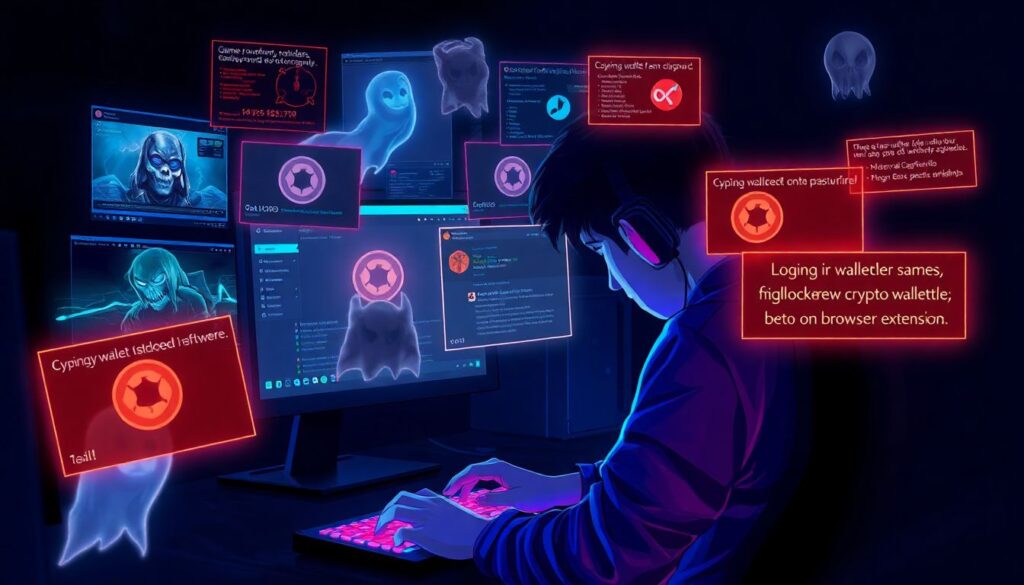
The other big vector is your own machine. Gamers install overlays, launchers, custom HUDs, cracked copies and random performance “optimizers” – all prime carriers for info‑stealers and keyloggers. Once malware sits on your box, it can scrape clipboard wallet addresses, watch browser extensions, or quietly export your seed phrase screenshot from cloud storage. Anti‑cheat drivers also expand kernel‑level attack surface if abused. Mitigation here feels like PC maintenance: separate a clean OS profile for finance tasks, patch regularly, disable junk autostart apps and never store keys in plaintext notes. If your gaming PC is constantly running new executables from sketchy sources, treat it like an internet café machine: good for matches, bad as a single point of failure for your main stash.
Key approaches to crypto wallet security for gamers
Hot wallets: speed vs. exposure
Hot wallets live on devices connected to the internet 24/7 – browser extensions, mobile wallets, exchange accounts. For players active in Web3 games, they’re convenient: fast logins, one‑click signatures, in‑game marketplace support. But they’re also the “ranked solo queue” of security: volatile and unforgiving. Custodial options (like keeping funds on an exchange) offload key management but expose you to platform hacks and withdrawal freezes. Non‑custodial hot wallets give you control, yet any compromise of your browser, phone or seed backup means total loss. The sane strategy is to cap how much value you keep hot, just like you don’t bring your whole inventory into a high‑risk dungeon – daily spending only, not your entire vault.
Cold storage and the best hardware wallet for gaming crypto
Cold wallets keep private keys offline, usually via specialized hardware devices. From a security standpoint, they’re like logging your clan bank on a separate, air‑gapped PC that never installs games, mods or Discord. Even if your gaming machine is riddled with malware, transaction signing happens inside the hardware chip, not in the browser. When people search for the best hardware wallet for gaming crypto, they should look beyond brand names and check for audited firmware, secure elements, open documentation and support for chains their games actually use. Downsides exist: extra clicks, extra cables, slightly clunky UX with some game launchers. But if your holdings are worth more than your GPU, parking most of them in hardware starts to look less like overkill and more like standard gear.
Hybrid setups: secure gaming crypto wallet in practice
The most realistic option is a hybrid model that balances speed and safety. You keep a secure gaming crypto wallet for day‑to‑day actions and a deeper cold vault for long‑term value. A practical baseline could look like this:
1. Hot wallet on your gaming PC or phone with only short‑term funds and common game assets.
2. Hardware wallet that stores the main stack, interacts rarely and only from a clean environment.
3. Separate “burner” wallet for testing new games, airdrops and unknown smart contracts.
This separation copies what pro players already do with smurfs, alt accounts and storage mules. Compromise of one layer doesn’t instantly wipe everything. The key is discipline: routine transfers from hot to cold and never reusing seed phrases across wallets.
Technologies and crypto security services for online gamers
Security tooling, MPC, and smart contract guards

Beyond basic wallets, a growing stack of crypto security services for online gamers is emerging. Some guild platforms and wallets use MPC (multi‑party computation) so that no single device holds the full private key; instead, multiple shards must cooperate to sign, reducing the blast radius of one compromised device. Others integrate on‑chain risk engines that warn you before interacting with known scam contracts or suspicious NFT collections. Browser extensions can sandbox signing, showing human‑readable breakdowns of what a transaction really does instead of just “Approve.” Trade‑off: more complexity and sometimes latency, which competitive players hate. But for high‑value accounts, these extra guardrails are like tournament‑grade anti‑cheat: not always pretty, but worth it when money is on the line.
Pros and cons of advanced protection layers
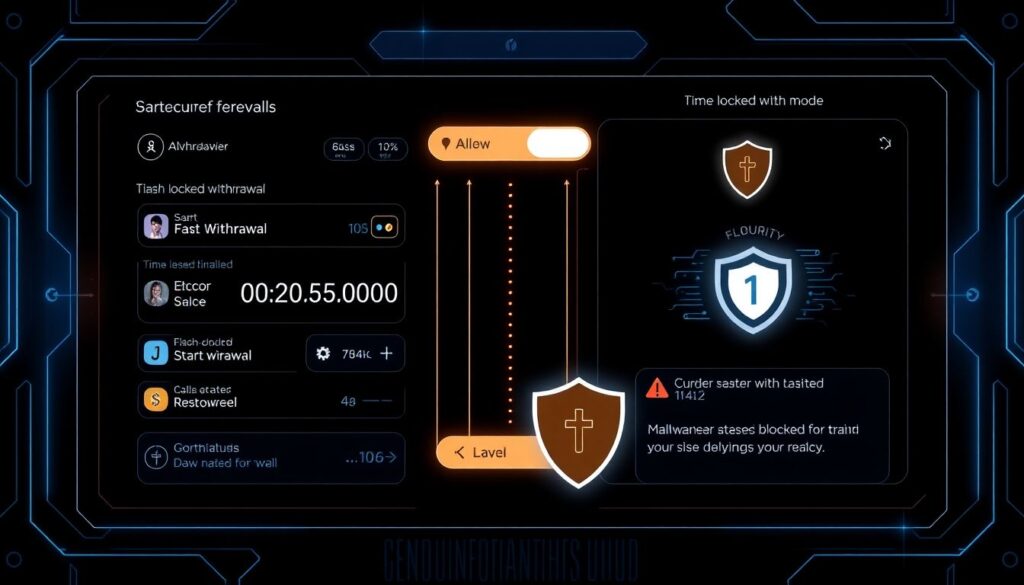
Smart contract firewalls, allowlists and time‑locked withdrawals add another security layer, but they reshape UX. A withdrawal delay, for instance, is annoying if you’re chasing a flash sale, yet invaluable if malware suddenly tries to empty your wallet – you get a window to react. Guardianship models let trusted friends or devices help recover access, similar to account recovery systems in MMOs, but they introduce social risk if relationships sour. Insurance‑like services can soften the blow of a hack, though policies come with exclusions and KYC. Advanced setups therefore suit players who treat their crypto stack as a semi‑pro business: higher cognitive overhead up front for a smoother ride when something inevitably goes wrong. Casuals can adopt a lighter subset of these tools without going full enterprise.
How to protect crypto assets from hacking in your daily gaming routine
If you’re wondering how to protect crypto assets from hacking without turning every session into an opsec seminar, focus on a few habits. Lock seed phrases and hardware wallets off‑desk, not next to your controller. Enable strong OS‑level login, disk encryption and password manager, so leaked passwords don’t cascade through your ecosystem. Keep a dedicated browser profile for crypto, with extensions audited and auto‑updates on. Treat every file from Discord or forums as hostile until scanned. On mobile, disable app sideloading and don’t install wallets from random APKs. Finally, train yourself to say “no” to any transaction you don’t fully understand – if a game or site demands unlimited token approvals or private keys, that’s not a partnership, that’s a red flag.
Trends 2026: what’s changing in gamer-focused crypto security
By 2026, wallet UX is finally catching up to game UX. More launchers ship with integrated key management, biometric sign‑in and transactional whitelists, so players interact with human‑readable actions (“buy sword for 0.1 ETH”) instead of raw contract calls. Layer‑2 networks cut gas fees, making multi‑wallet strategies simpler and cheaper to maintain. At the same time, AI‑powered phishing kits generate hyper‑personalized lures based on your Steam library, Discord roles and streaming schedule, pushing social engineering to a new level. Expect regulators to lean on marketplaces and platforms to offer safer defaults, like mandatory withdrawal limits and anomaly detection. For gamers, the meta remains stable: keep the bulk of your value cold, segment risk like you segment accounts, and treat your wallets with at least as much respect as your highest‑ranked profile.