

Historical background: why gamers need a money toolkit at all

If you grew up in the 2000s, being “into games” usually meant a one‑time purchase on disc and maybe a magazine subscription. Starting roughly from 2010, the industry flipped. Free‑to‑play, loot boxes and endless cosmetic upgrades turned gaming into a constant microtransaction machine. According to Newzoo, the global games market went from about 159 billion dollars in 2020 to roughly 184 billion в 2023, with more than half of the revenue coming from in‑game spending. By 2024, surveys from firms like Deloitte and ESA showed that over 70% of US gamers buy digital items at least once a month. When spending becomes this frictionless and frequent, classic personal finance advice (“just don’t impulse buy”) stops working. Gamers suddenly need a proper personal finance toolkit that takes into account subscriptions, battle passes and seasonal FOMO events instead of only rent and groceries.
Over the last three years, the line between playing and earning has also blurred. Platforms like Twitch, YouTube and Kick, plus in‑game creator programs, helped turn gaming into a side income stream for millions. A 2022 YouTube report mentioned over 2 million gaming creators monetizing their content in some way, while Twitch’s transparency data suggested hundreds of thousands of channels receiving at least small payouts each year. E‑sports prize pools, in‑game marketplaces and sponsorship deals add extra layers. That’s where questions like how to make money gaming online stop being a meme and become a practical issue involving taxes, cash‑flow planning and risk management. In other words, the modern gamer doesn’t just consume digital content; they operate inside a full‑blown digital economy and need financial skills tailored to that reality.
Basic principles: core elements of a gamer’s finance toolkit

At the heart of any toolkit is visibility. If you don’t know how much you actually pour into skins, season passes and “limited time offers,” budgeting becomes guesswork. Over the last few years, a wave of fintech apps started quietly supporting this need by auto‑tagging purchases from Steam, PlayStation, Xbox and mobile stores. When people talk about the best budgeting apps for gamers, they usually mean tools that can recognize gaming merchants, separate subs from one‑off buys and show an honest monthly total. That transparency matters because research from the UK Gambling Commission and several academic studies between 2021 and 2024 showed a strong correlation between loot box spending and loss of control over budgets, especially among younger players. If your toolkit can surface those patterns, you can set smart limits instead of relying on willpower during a midnight sale.
The second principle is separating “fun money” from life‑critical money. Psychologically, in‑game currency and real cash already feel disconnected, and modern payment flows blur them even more. A healthy system starts with a clear monthly cap for entertainment, plus a pre‑funded card or account that all gaming expenses draw from. That way you’re free to enjoy new releases without risking rent, bills or emergency savings. Layered on top of that, basic investing tips for gamers follow the same logic as for everyone else: build a 3–6 month emergency fund, then diversify into broad‑market index funds instead of hoping the next gaming token or NFT collection will “go to the moon.” Between 2021 and 2023, many gaming‑related crypto projects crashed by over 80%, while boring global stock ETFs generally recovered after pandemic shocks. A toolkit designed for gamers acknowledges the hype, but channels long‑term money into boring, robust instruments.
Implementation examples: tools, tricks and real‑world setups
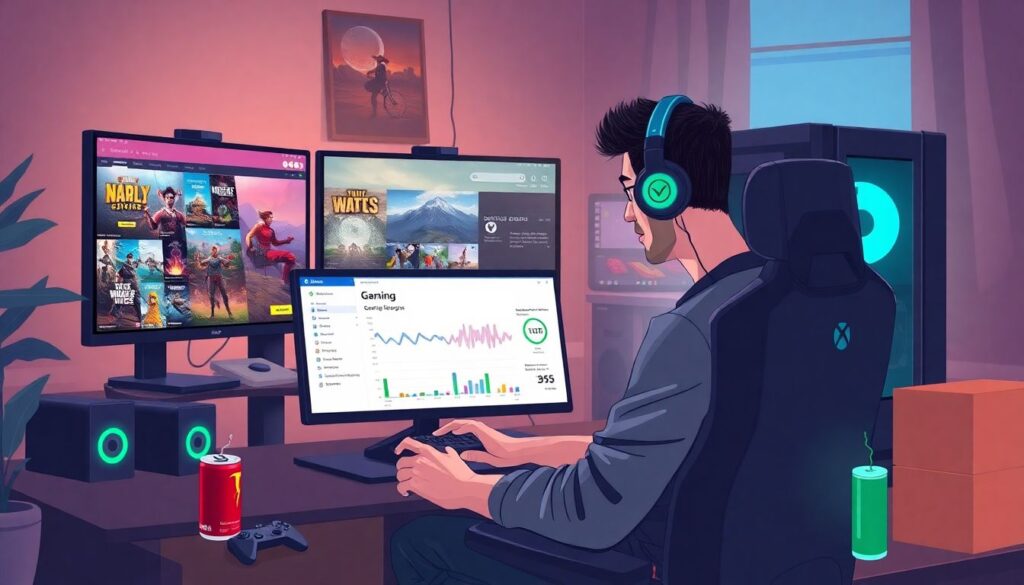
Let’s imagine a mid‑core player who spends several evenings a week in popular online titles and buys new big releases. Their toolkit might start with a budgeting app linked to their main bank card plus the platforms they use. The app auto‑categorizes every digital purchase as “Gaming,” so after a month they see, for example, 85 dollars on subs, 40 dollars on cosmetics and 25 dollars on expansions. With this data, they define a fixed 120‑dollar “fun budget” that goes onto a separate debit card every month. That card is then attached to their PlayStation, Steam and mobile store accounts. When the card hits zero, that’s it until next month, no matter how shiny the offers look. Over time, this simple structure often saves more than people expect; surveys from several neobanks between 2022 and 2024 show that category‑based caps can cut impulse digital spending by roughly 15–25% without reducing overall life satisfaction.
Now imagine a creator who actually earns from games. They stream, make guides and occasionally flip rare in‑game items within allowed rules. For them, side hustles for gamers to earn extra money come with tax, volatility and payment‑platform risks. A practical setup: keep a separate business account for all creator and marketplace income, track payouts from Twitch, YouTube, Patreon or game marketplaces in a simple spreadsheet or accounting app, and reserve a percentage of every payout—say 20–30%—for taxes. They can route business costs like capture cards, better microphones, or even boosted server slots through that same account. Combining this with conservative investments (for example, a monthly automatic buy into a low‑fee ETF) turns irregular gaming income into a steady wealth‑building stream. In recent creator economy surveys from 2022–2024, those who automated saving and investing were far less likely to quit after a dip in ad revenue or subs.
Implementation examples: smart use of credit and rewards
Credit can be a sharp tool or a trap, and gamers sit right on that edge because digital stores make it ridiculously easy to overspend. Over the last three years, several banks and fintechs launched credit cards for gamers with rewards, usually tied to store credits, hardware discounts or boosted cashback at game retailers. A mature toolkit doesn’t reject these cards outright; it uses them with strict rules. One effective pattern is to keep the credit limit low, charge only recurring subscriptions and maybe a single fixed in‑game purchase per month, then auto‑pay the full balance from your main account. This way you farm rewards while building credit history and never pay interest. Central bank data from the US, UK and EU between 2021 and 2024 consistently show that interest—not the sticker price—is what really sinks budgets, especially among younger users who carry balances on entertainment‑heavy cards.
On the earnings side, a lot of gamers underestimate how “small” skills can stack up financially. When people look up how to make money gaming online, they often imagine pro e‑sports, but in practice the income usually comes from many modest streams. Coaching bronze‑and‑silver players for a fee, selling overlays, editing highlight videos, or running Discord communities with optional paid tiers all fall into this category. According to various creator‑economy reports from 2022–2024, more than half of monetizing gaming creators make under 500 dollars a month, but a sizeable minority use that income as a meaningful buffer for savings or debt repayment. A robust personal finance toolkit treats these flows like a small business: track revenue and expenses, separate cash for taxes, protect time boundaries so the hustle doesn’t swallow your life, and regularly decide whether to reinvest profits into better gear or channel them into long‑term investments.
Common misconceptions: myths about money and gaming
One persistent myth is that “gaming is just a hobby, so it doesn’t affect my finances much.” Data from multiple markets say otherwise. From 2021 to 2024, average yearly spend per paying gamer hovered in the 150–250 dollar range globally, and in high‑income regions it climbed well above 300 dollars. That’s the scale of a decent emergency fund contribution or a chunk of high‑interest debt. Another misconception is that only “whales” need to watch their behavior. Research on microtransactions and loot boxes over the last few years repeatedly shows that cumulative small purchases create the same regret patterns as a few huge ones. A personal finance toolkit is not about shaming yourself for enjoying a hobby; it’s about making sure your enjoyment stays proportional to your income and long‑term goals instead of silently crowding out savings, travel or education.
A second big myth is that gamers have to choose between being responsible and having fun—or between “going all in” on risky trends and staying poor. For example, many people conflate sensible investing tips for gamers with buying tokens in the latest play‑to‑earn game, when simple diversified funds historically outperform most speculative bets. Likewise, a lot of players dismiss the best budgeting apps for gamers because they fear restrictions, when in reality these tools can free up cash for bigger, more meaningful purchases like a new GPU or a convention trip. Finally, some believe rewards programs automatically justify more spending, but cashback and loyalty points rarely beat the cost of items you didn’t really need. Stripping away these myths lets you see gaming as one part of a bigger financial picture: a hobby or career path that can coexist with stability, savings and long‑term freedom instead of competing with them.