
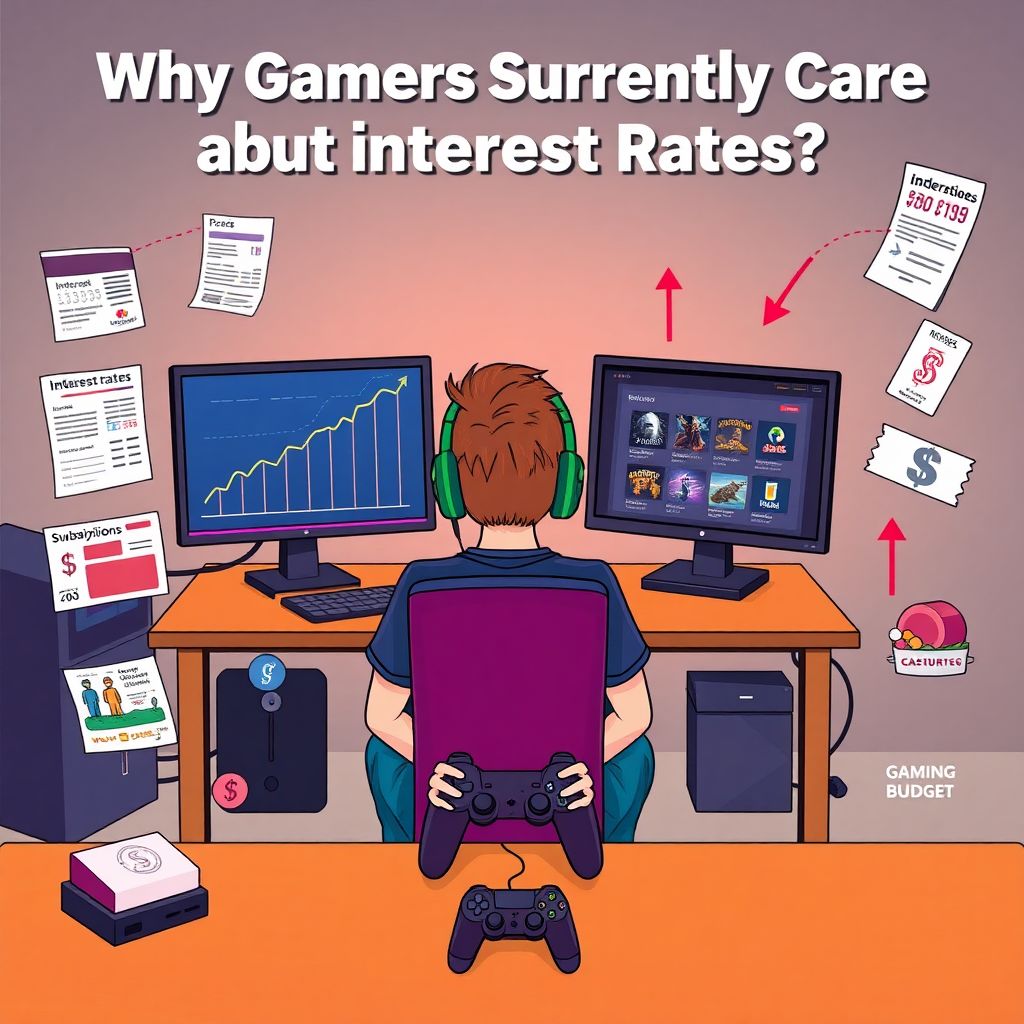
Why gamers suddenly care about interest rates
If you play games regularly, you already know exactly how much a new release, a season pass or a “just one more” skin can hurt your wallet. What many players don’t realise is that interest rates – a thing that sounds like it belongs only in boring financial news – directly affect how much money is left for games each month. When rates go up, loans, credit cards and even overdrafts become more expensive, which quietly eats into the same pool of cash you use for gaming. Understanding how do interest rate changes affect gaming budget planning is not about becoming a Wall Street analyst; it is about making sure a hobby stays fun instead of becoming a source of stress and debt.
Step 1. Understand what interest rates actually do to your money
Basic idea in gamer language
Think of interest rates as the “difficulty setting” for borrowing and saving money. When central banks raise rates, banks charge you more to borrow and pay you a bit more to save. If you have a credit card balance, student loan, car loan or mortgage, a rate hike is like an invisible debuff on your monthly budget: same income, but a bigger chunk now goes to interest. That means less leftover cash for games, hardware upgrades or in-game purchases. On the flip side, if you keep a solid savings account and no debt, higher rates can be a buff, because your savings grow faster and you can build a gaming fund more easily.
How this spills into your gaming life
When rates rise, you might notice small but steady changes: minimum credit card payments go up, rent increases as landlords pass on their costs, or variable-rate loans suddenly cost more. None of this has “gaming” written on it, but the end result is obvious – your flexible spending shrinks. If you never track it, you just feel “broke for no reason” and keep swiping for a battle pass anyway. That is exactly how personal finance strategies for gamers affected by rising interest rates start: by accepting that the macro stuff you see in the news quietly changes the micro decisions you make on Steam, PlayStation Store or mobile app stores.
Step 2. Map out your actual gaming budget
Turn vague feelings into real numbers
Before searching for the best ways to save money on gaming when interest rates rise, you need to know what you actually spend. Most people dramatically underestimate it. For one month, track everything connected to games: full-price titles, discounted purchases, DLCs, microtransactions, subscriptions like Game Pass, PS Plus, MMO memberships, and even “small” cosmetic items. Add hardware, controllers and accessories if you are in an upgrade phase. Many gamers are shocked when they realise the total equals a decent chunk of rent or loan payments, which explains why rate changes feel painful even if your income has not changed.
Expert recommendation: separate your “fun” wallet
Financial planners who work with younger clients often suggest a dedicated “fun” account. One gaming‑savvy advisor I interviewed recommends setting up an automatic transfer on payday to a separate card or digital wallet used only for entertainment. That instantly limits the damage from impulse buys, because when the gaming wallet is empty, you are done for the month. This makes budgeting tips for gamers during interest rate hikes much easier to apply: you can reduce or increase that transfer based on how much your loan and credit card costs just jumped, instead of trying to juggle everything in one messy account.
Step 3. Adjust for rate hikes like you would for a new patch
Recalculate your post‑bill money
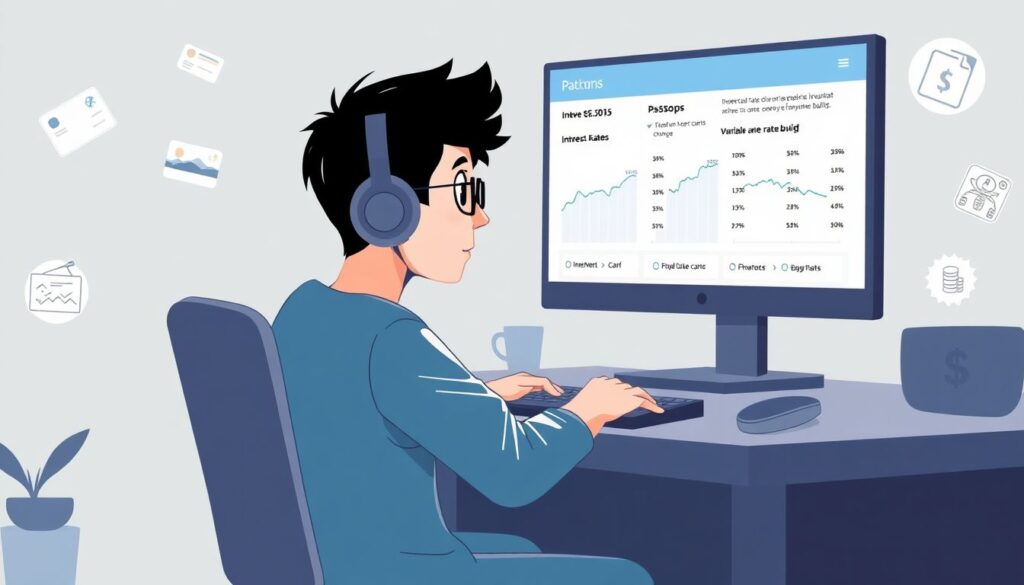
Whenever you hear about a significant interest rate change, treat it like a big game patch that might nerf or buff your favourite build. Take 15–20 minutes to check how your monthly payments changed: look at credit cards, variable-rate loans and overdrafts. Subtract all fixed obligations (rent, utilities, transport, groceries, debt payments) from your income again. The remainder is your “discretionary” pool, of which gaming is only a part. If that pool shrank, your gaming budget needs a rebalance right away, not six months later when you are already in debt.
Common mistake: ignoring “small” interest costs
Many players think, “It’s just a bit more interest, I can absorb it.” But interest compounds just like damage-over-time effects in RPGs: each tick seems tiny until you realise your health bar is nearly gone. A 2–3% hike on a large credit card balance can eat more than an entire AAA game from your monthly budget. Failing to recognise this is one of the classic errors the pros warn about. Financial experts repeatedly highlight that gamers who ignore interest changes often end up financing entertainment at 20%+ annual rates, which is like paying a legendary price for a very ordinary skin.
Step 4. Prioritise subscriptions and microtransactions
Clean up subscription clutter
A surprisingly large share of gaming money leaks through subscriptions you barely use. Game Pass, PS Plus, multiple MMOs, cloud services and even Discord or addon tools quietly auto‑renew. During low-rate periods, this might feel manageable; when borrowing gets pricier, these charges become dead weight. One key question today is how to manage gaming subscriptions and microtransactions during high interest rates without feeling that you are quitting the hobby. Start by listing all recurring charges, then mark them as “essential”, “nice to have” or “barely used”. Cancel the last category immediately, and consider downgrading tiers or sharing family plans where allowed.
Rethink microtransactions as a monthly cap
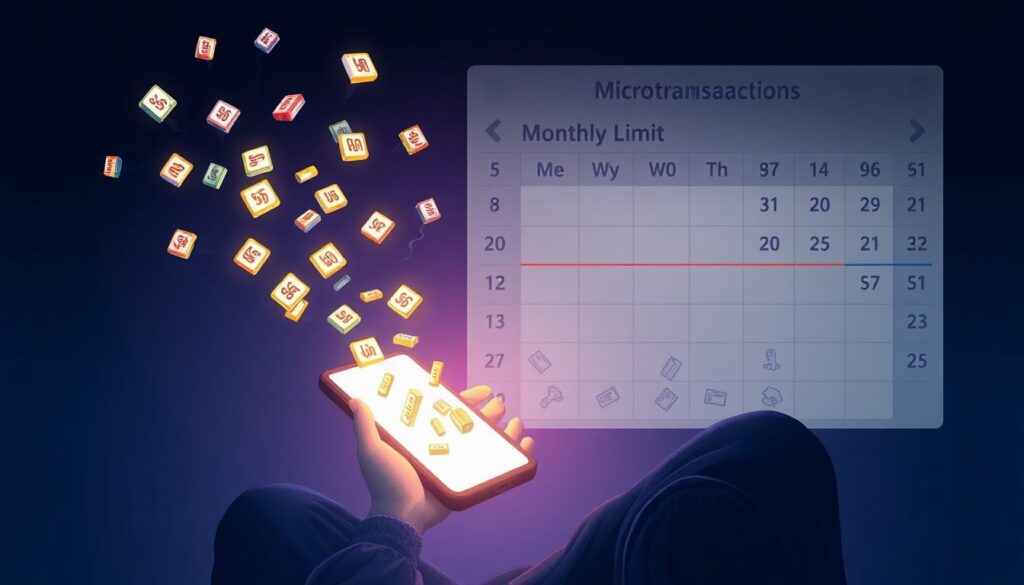
Microtransactions are designed to bypass rational thinking: low prices, instant gratification and no physical reminder that you spent real money. Experts in behavioural finance advise turning them into a single, visible line in your budget instead of random bursts. For example, set a firm monthly cap on microtransactions, transfer that amount to your gaming wallet and turn off saved payment details on consoles or mobile stores. This alone drastically lowers “oops” purchases made when you are tired, tilted or chasing a win. When interest rates are high, controlling microtransactions is often more impactful than skipping one big game purchase a year.
Step 5. Use smart saving tactics tailored to gamers
Upgrade timing and buying strategies
When people search for the best ways to save money on gaming when interest rates rise, they usually expect generic answers like “buy fewer games”. That helps, but there is a more precise approach. Hardware and big releases have predictable discount cycles: GPUs and consoles often get price drops near new generation announcements, and most big games go on sale within a few months of launch. Expert recommendation: create a wish list and assign a target price for each item based on typical discounts (for example, “I buy at 50% off or less”). Rate hikes then push you to be even stricter with those targets, effectively delaying gratification instead of deleting it.
Use high‑rate periods to build a gaming fund
Paradoxically, when rates rise, savings accounts and some low‑risk instruments start paying more interest. If you are not in heavy debt, you can treat this as an opportunity. Open a separate savings sub‑account named “Gaming & Tech Upgrades” and automate a small monthly contribution. Over time, the interest earned there partially offsets rising costs elsewhere. This is one of the more realistic personal finance strategies for gamers affected by rising interest rates, because it uses the same economic trend that makes borrowing harder to make planned purchases easier. Instead of impulsively financing a console on a credit card, you patiently let interest work for you.
Step 6. Concrete budgeting tips for gamers during interest rate hikes
Practical checklist
Below is a short step‑by‑step sequence you can apply every time you hear about another rate increase. It works as a repeatable routine rather than a one‑time fix:
1. Recalculate your post‑bill money, updating all loan and credit card payments.
2. Lower your monthly gaming wallet transfer if the leftover amount shrank.
3. Cancel or downgrade at least one subscription that you barely touch.
4. Set or tighten a monthly cap on microtransactions and cosmetic items.
5. Pause new hardware purchases unless you can pay in full, without credit.
Financial coaches who specialise in young adults say that this simple five‑step checklist, done just a few times a year, keeps most hobby budgets under control even in volatile economic conditions. The trick is consistency: ignoring the impact of rate hikes for many months and then trying to fix everything in one go almost always leads to panic selling of gear or, worse, more borrowing to “catch up”.
Step 7. Avoid the most painful mistakes
Red flags experts see all the time
Analysts who look at real client bank statements notice repeating patterns among gamers. The first red flag is using “buy now, pay later” or credit cards to preorder multiple big games at once, assuming future you will be richer. The second is stacking overlapping subscriptions because each one seems cheap on its own. The third is emotional spending after bad days: loot boxes, gacha pulls or cosmetic bundles bought purely to feel better. During periods of rising rates, these habits snowball faster, because every dollar of unpaid balance is now growing at a higher interest rate. Recognising yourself in these examples is not a moral failure; it is an early warning that your hobby is being quietly financed by very expensive debt.
Newbie‑friendly alternatives
If you are new to budgeting, jumping straight into complex spreadsheets is overkill. Experts suggest starting with simple, gamer‑friendly rules: “No new game until you finish one you already own”, “No microtransactions on weekdays”, or “Only buy during major seasonal sales”. Pair these behavioural rules with technical safeguards: disable one‑click purchasing, remove saved cards, and set bank alerts for any transaction above a certain amount on gaming platforms. These tricks reduce the number of decisions you must make while tired or emotional, which is the state in which most bad financial choices occur. With interest rates high, reducing decision fatigue is almost as important as cutting costs.
Step 8. Build a long‑term strategy, not just short‑term cuts
Thinking beyond the next rate announcement
Economic cycles come and go: today’s painful rate hikes will eventually be followed by lower ones, just like hard seasons in games are followed by more relaxed content patches. If you build solid budgeting habits now, you will not only survive expensive years but also benefit more when conditions improve. Long‑term, the smartest move is to attack high‑interest debt first, using any savings you generate from slimming your gaming habits. Each card or loan you pay off permanently increases the money available for future hobbies. Over a few years, this can mean the difference between constantly juggling bills and being able to buy that new console or gaming PC outright, without stress.
Making peace with “less, but better”
Experts often point out that gamers who consciously limit spending end up enjoying their purchases more. When you are not drowning in half‑played titles and random skins, each new game or DLC feels significant again. Rate hikes simply force a shift toward “less, but better” – fewer impulsive drops, more intentional choices aligned with what you truly enjoy. Framing your decisions this way keeps the focus on fun, not on restriction. You are not giving up gaming because the economy changed; you are optimising your build so that both your character and your real‑world finances can survive whatever patch notes the central banks release next.