
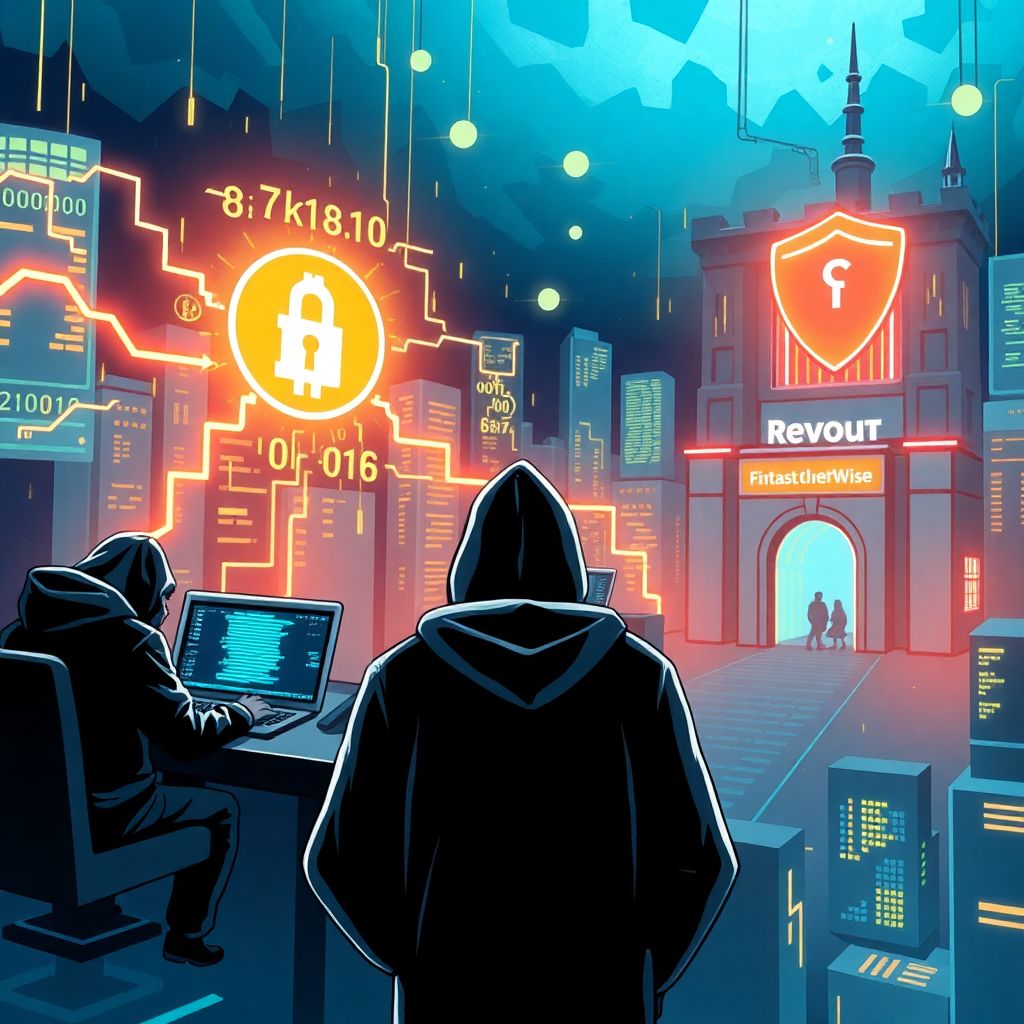
Understanding the Growing Threat to Financial Data
In an increasingly digital world, the security of financial data has become a critical concern. Between 2022 and 2024, financial institutions were among the top three most targeted sectors for cyberattacks, according to the IBM X-Force Threat Intelligence Index. In 2023 alone, over 1.5 billion financial records were exposed globally, with attackers leveraging phishing, credential stuffing, and ransomware as primary attack vectors. The cost of a single data breach in the financial sector averaged $5.9 million in 2024, a 12% increase from 2022. These numbers highlight the urgency of safeguarding sensitive financial information—not just for institutions, but for individual users as well.
Inspiring Examples of Resilience and Innovation
Despite the risks, several organizations have turned cybersecurity into a competitive advantage. Take the example of Revolut, a fintech giant that experienced a phishing attempt in 2023 but managed to contain the breach without compromising customer funds. Their success lay in proactive threat hunting, real-time monitoring, and educating users about suspicious activity. Similarly, small businesses like BudgetWise, a personal finance startup, implemented zero-trust architecture early on and have reported zero successful breaches since 2022. These cases show that with the right strategy and mindset, even resource-constrained entities can outsmart cyber predators.
Strategies to Strengthen Your Financial Defenses
1. Embrace Multi-Factor Authentication (MFA)
MFA is no longer optional. According to Microsoft, accounts using MFA are 99.9% less likely to be compromised. Always enable this feature on your banking apps, investment platforms, and digital wallets. Choose authenticators over SMS when possible, as SIM-swapping attacks are on the rise.
2. Regularly Monitor Your Accounts
Check your financial statements weekly. Set up alerts for large transactions or login attempts from unknown devices. Early detection is often the key to minimizing financial damage.
3. Keep Software and Devices Updated
Unpatched software is a goldmine for hackers. In 2024, 70% of exploited financial breaches stemmed from outdated systems. Make updates automatic and ensure your antivirus software is from a reputable source.
4. Use Encrypted and Trusted Networks
Avoid accessing financial services over public Wi-Fi. If necessary, use a VPN with end-to-end encryption. In 2023, over 20% of data theft occurred via unsecured public networks, often in cafés and airports.
5. Practice Digital Minimalism
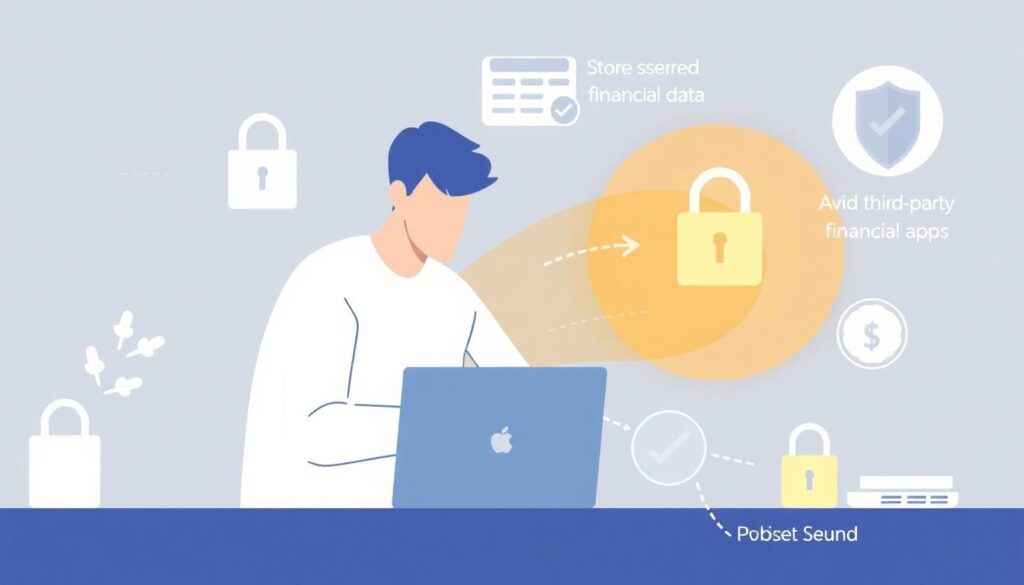
Only store essential financial data online. Minimize the use of third-party financial apps that may not follow strict data protection protocols. The fewer digital footprints you leave, the lower your exposure.
Successful Projects Shaping the Future of Financial Security
One of the most notable shifts in recent years has been the rise of decentralized finance (DeFi) platforms that prioritize user-controlled security. In 2024, the DeFi project MetaShield launched a novel self-custody protocol integrating biometric authentication and blockchain-based audit trails. As a result, it reported zero data leaks and earned recognition from cybersecurity watchdogs. Similarly, traditional banking institutions like JPMorgan Chase have invested over $600 million annually since 2023 into AI-driven fraud detection systems, reducing fraudulent transaction rates by 35%.
These projects underscore how innovation and investment in cybersecurity are not just defensive moves—they’re strategic differentiators in the digital economy.
Resources to Expand Your Cybersecurity Literacy
To stay ahead of emerging threats, continuous education is essential. Fortunately, there are numerous channels available for both beginners and experts:
– Cybersecurity & Infrastructure Security Agency (CISA): Offers free training modules and threat alerts.
– Coursera & edX: Provide courses from MIT, Stanford, and other institutions on data privacy and security.
– StaySafeOnline.org: A consumer-focused platform with practical guides on protecting digital assets.
– Krebs on Security: A trusted blog by journalist Brian Krebs, offering in-depth analyses of real-world breaches.
By engaging with these platforms, you’ll not only protect your own financial data but also contribute to a more secure digital ecosystem.
Conclusion: Security is a Shared Responsibility
The digital threats to financial data are evolving, but so are the tools and strategies to counter them. Whether you’re an individual managing your savings or a startup building the next fintech solution, cybersecurity must be at the core of your operations. The inspiring stories of companies that weathered attacks—and the sobering statistics of those that didn’t—remind us that vigilance, education, and innovation are our strongest shields. In 2025 and beyond, protecting your financial data is not just about defense—it’s about empowerment.
Комментарии