
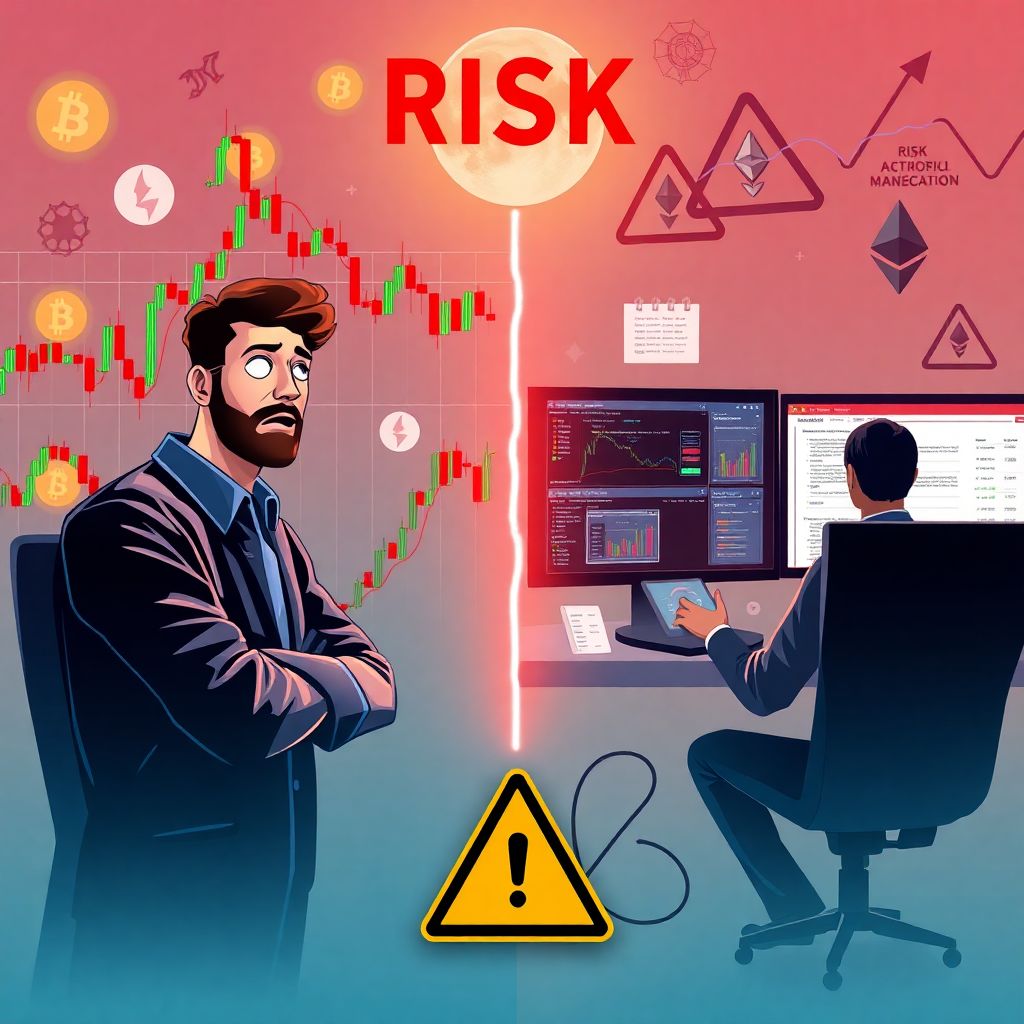
Understanding Risk in Crypto Trading: Why It Matters

Risk in crypto trading isn’t just a buzzword—it’s a reality that every trader, whether beginner or pro, has to face head-on. Unlike traditional markets, where regulations and institutional oversight provide some level of safety net, the crypto space is still relatively young and volatile. According to data from CoinMarketCap, the average daily volatility of the top 10 cryptocurrencies exceeds 5%, compared to 1-2% in traditional stocks. That means prices can swing wildly in minutes, not days. For example, Bitcoin dropped nearly 30% in a single day during the May 2021 crash. This kind of turbulence demands a solid understanding of risk management strategies.
Statistical Snapshot: The Numbers Behind the Chaos
Let’s talk numbers. A study by Binance Research in 2023 showed that over 60% of retail traders in crypto experienced a portfolio drawdown of more than 50% within their first year. That’s a staggering figure. Institutional traders, by contrast, reported lower drawdowns—around 25%—largely because of better risk protocols and diversified portfolios. These stats highlight a gap in knowledge and discipline between amateur and professional traders. It’s not just about picking the next moonshot coin; it’s about protecting your capital when the market turns against you.
Forecasting the Future: Is Crypto Risk Getting Better?
Looking ahead, analysts predict that crypto volatility will decrease slightly as the market matures and adoption grows. With more institutional players entering the space—think BlackRock, Fidelity, and even governments experimenting with CBDCs—we’re likely to see more stable price action. However, this doesn’t mean risk disappears. Instead, it evolves. Smart contracts, DeFi protocols, and algorithmic stablecoins introduce new types of systemic risks. Remember the Terra/LUNA collapse? It wiped out over $40 billion in market value almost overnight. So while the surface may calm, the underlying risks could become more complex and technical.
Economic Aspects: The Real Cost of Risk
From an economic standpoint, risk in crypto trading affects more than just individual portfolios—it can ripple through entire ecosystems. When major assets crash, it leads to liquidations, margin calls, and even exchange insolvencies. One vivid example is the FTX collapse in 2022, which not only shook investor confidence but also triggered regulatory crackdowns worldwide. Liquidity dries up, and that affects everything from NFT markets to DeFi lending platforms. In short, unmanaged risk doesn’t just hurt traders—it can stall innovation and destabilize the broader crypto economy.
Different Approaches to Managing Risk
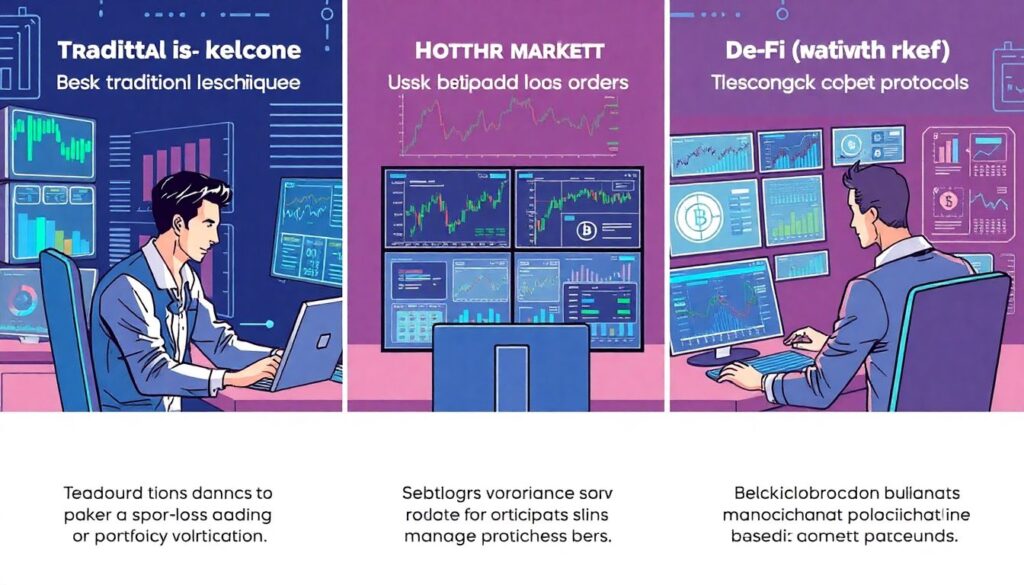
Now, let’s compare how different traders tackle this beast. Some rely on traditional techniques like stop-loss orders and portfolio diversification. Others use algorithmic trading bots that execute strategies based on volatility indicators. Then there are DeFi-native solutions like insurance protocols (e.g., Nexus Mutual), which offer protection against smart contract failures. Each approach has its pros and cons. Manual methods require discipline and constant monitoring. Bots can malfunction or be too rigid. Insurance protocols may not cover all types of losses or require high premiums. The best traders often combine several methods to create a layered defense.
Industry Impact: Risk as a Catalyst for Innovation
Interestingly, the high-risk nature of crypto trading is also a major driver of innovation. Developers are constantly building tools to mitigate these risks—whether it’s through better analytics platforms, decentralized insurance, or automated risk assessment tools. Exchanges are also stepping up, offering features like proof-of-reserves and more transparent auditing. While some see regulation as a threat, others view it as a necessary step toward legitimizing the space. The more the industry acknowledges and addresses risk, the more resilient and attractive it becomes for mainstream adoption.
Conclusion: Accepting Risk, Not Avoiding It
At the end of the day, risk in crypto trading isn’t something you can eliminate—it’s something you learn to manage. Whether you’re using advanced bots, hedging with stablecoins, or just keeping your position sizes small, the key is to stay informed and adaptable. There’s no one-size-fits-all solution, but understanding the landscape—and your own risk tolerance—can make the difference between surviving a bear market and getting wiped out. Crypto isn’t for the faint of heart, but with the right tools and mindset, the risk becomes a challenge rather than a catastrophe.